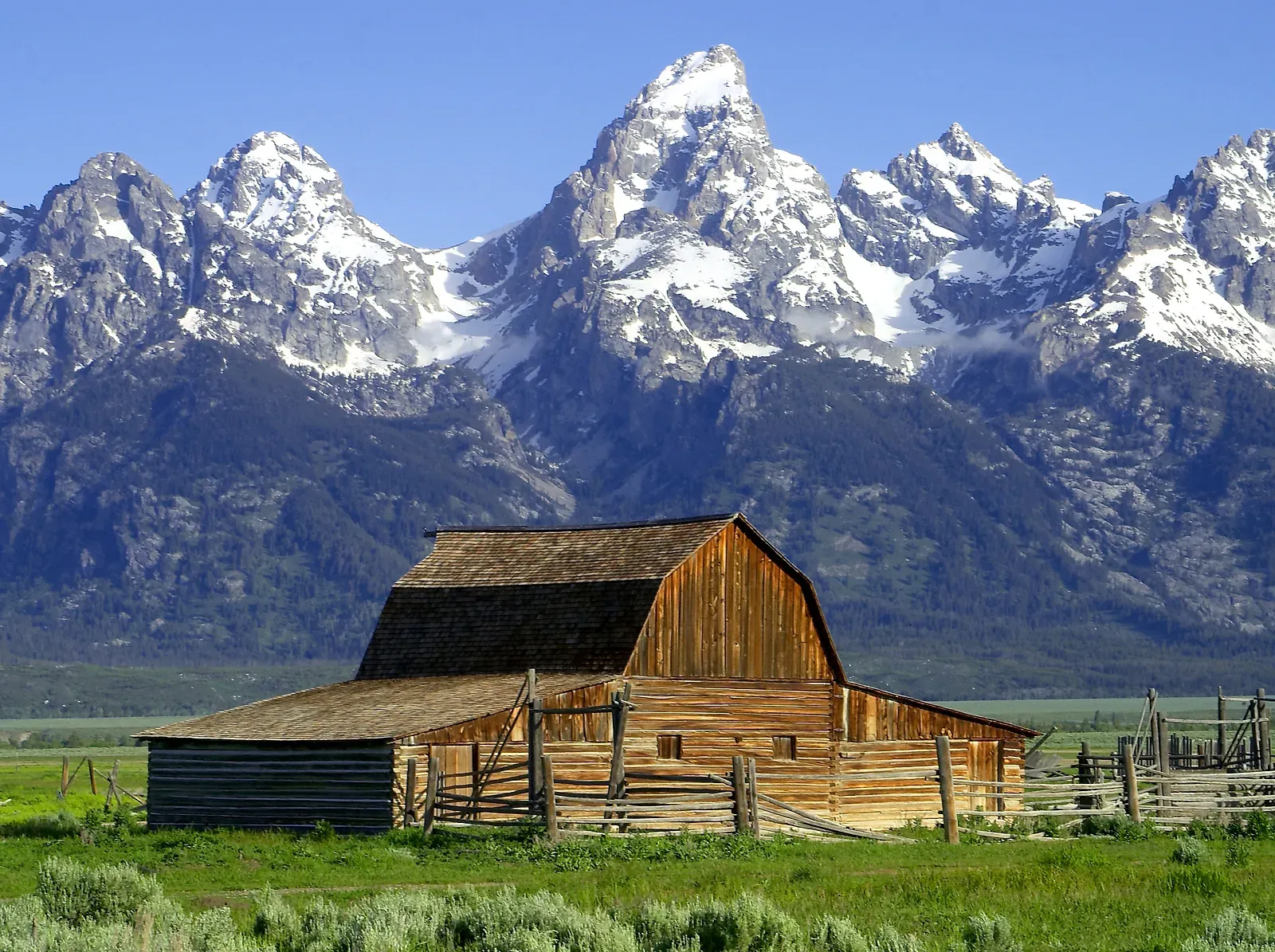
Why Grand Teton Deserves Its Own Trip
Grand Teton National Park packs 310,000 acres of alpine grandeur just south of Yellowstone — connected by the John D. Rockefeller Jr. Memorial Parkway with no separate entrance fee. While Yellowstone is famous for geothermal wonders, Grand Teton delivers some of the most dramatic mountain scenery in North America.
The Teton Range rises abruptly 7,000 feet above the Jackson Hole valley floor, creating a skyline that looks like it belongs in the Alps. Whether you're here for a day trip from Yellowstone or a dedicated multi-day adventure, this guide covers everything you need to know.
We live in Island Park, Idaho — about 90 minutes from Grand Teton's northern boundary — and regularly explore these trails. Here's our complete breakdown.
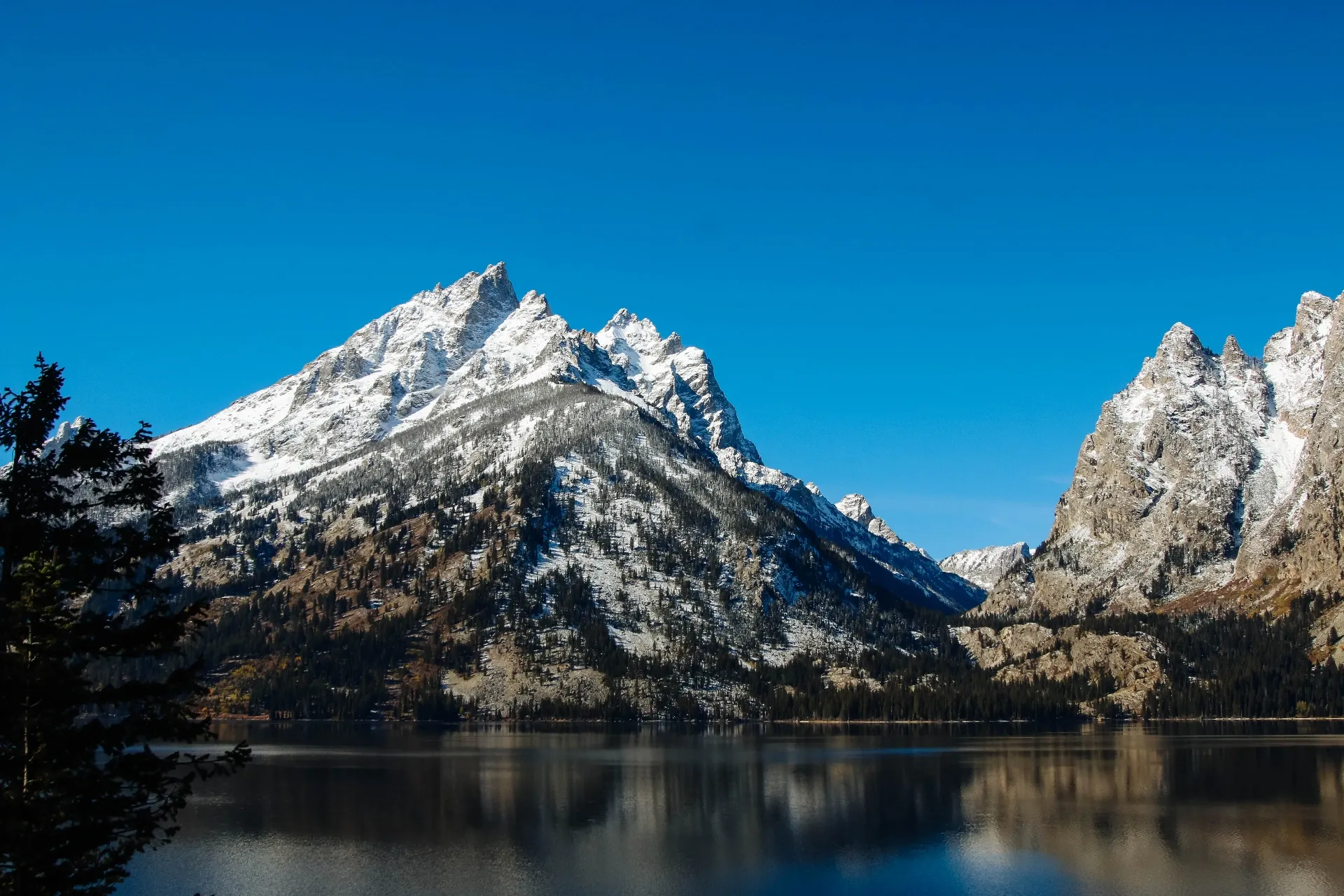
Jenny Lake & Hidden Falls
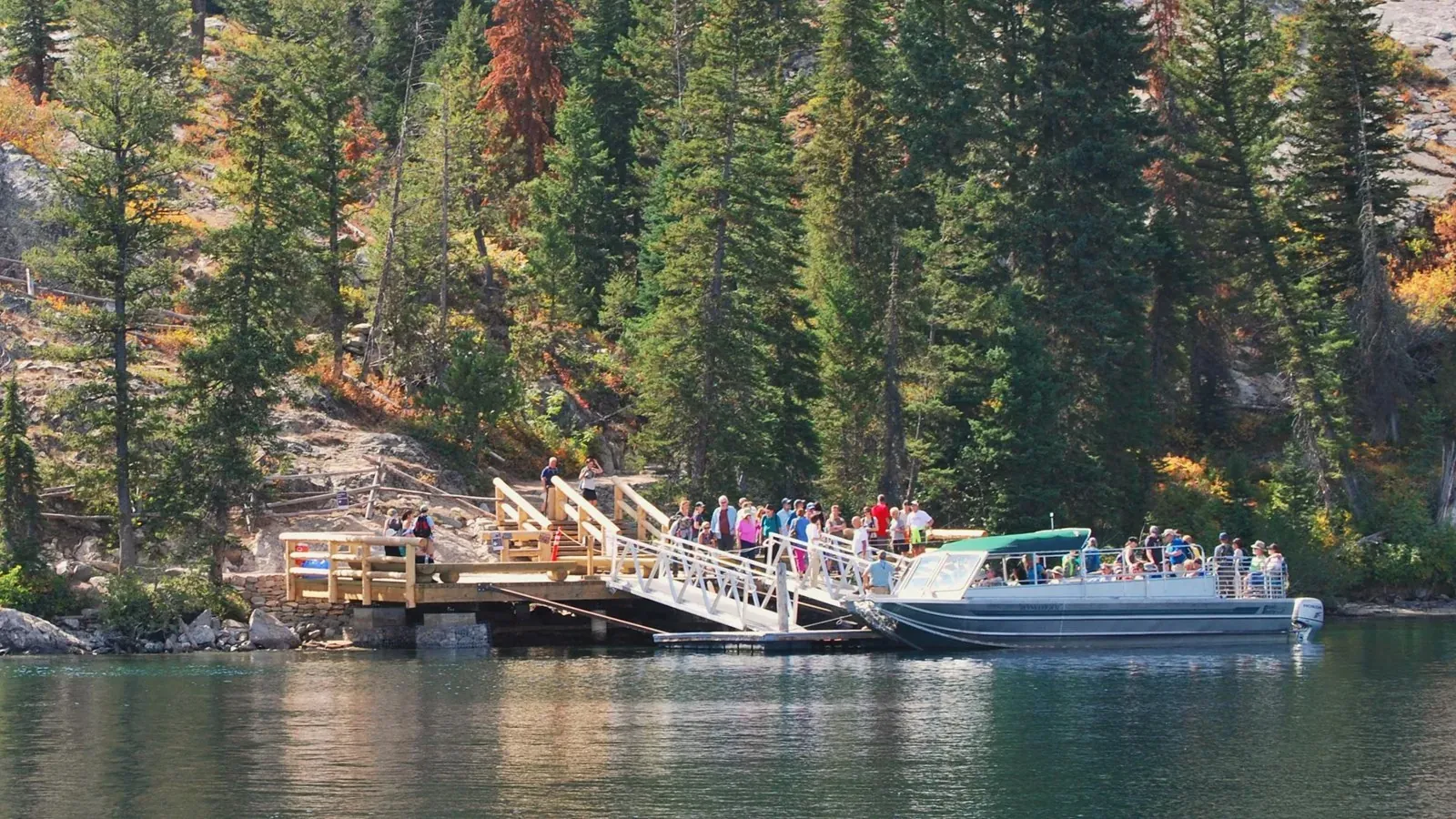
Jenny Lake is Grand Teton's most visited destination — a pristine alpine lake nestled at the base of the Teton Range. The shuttle boat across the lake cuts 2 miles off the hike to Hidden Falls and Inspiration Point.
Must-See Highlights
- › Jenny Lake Shuttle Boat — $18 round trip, runs every 10–15 minutes.
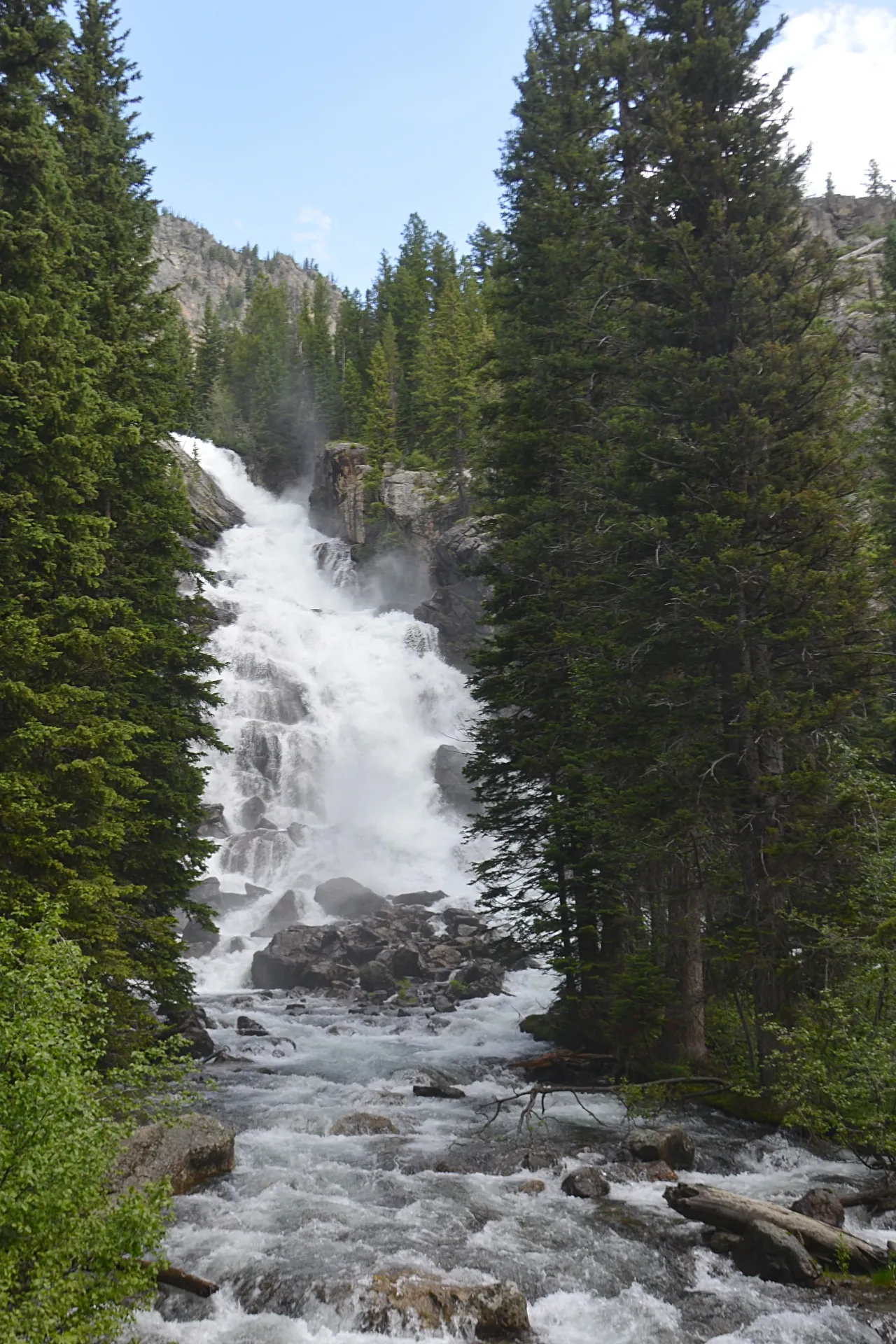
- › Hidden Falls — A stunning 200-foot cascade, just 0.5 miles from the west boat dock.
- › Inspiration Point — Panoramic views of Jenny Lake and the valley.
- › Jenny Lake Loop Trail — 7.1-mile flat trail circling the lake.
- › String Lake — Connected to Jenny Lake, warmer water for swimming.
☀️ Insider Tip
Arrive before 9 AM or after 4 PM to avoid crowds. The parking lot fills by mid-morning in summer.
Mormon Row Historic District
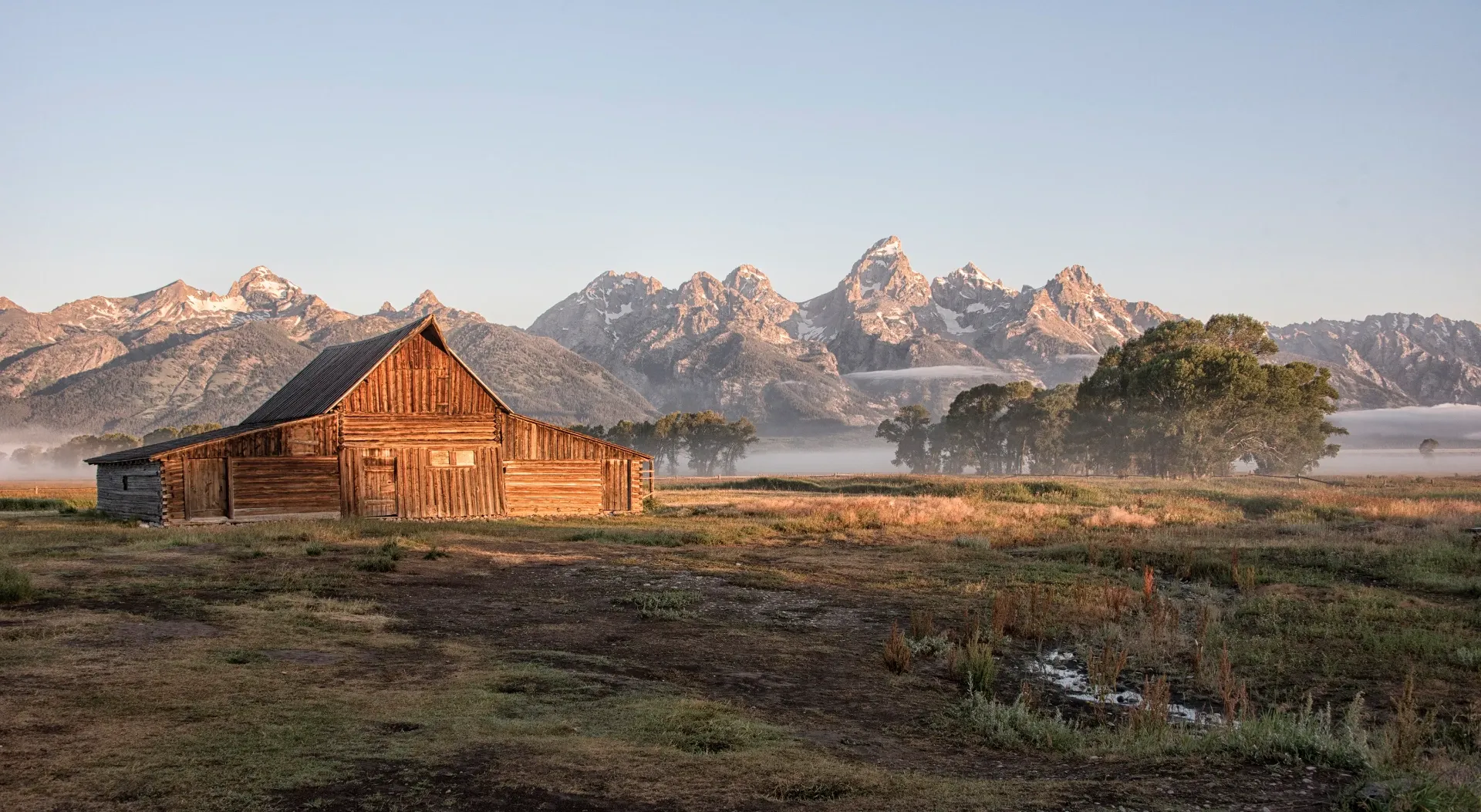
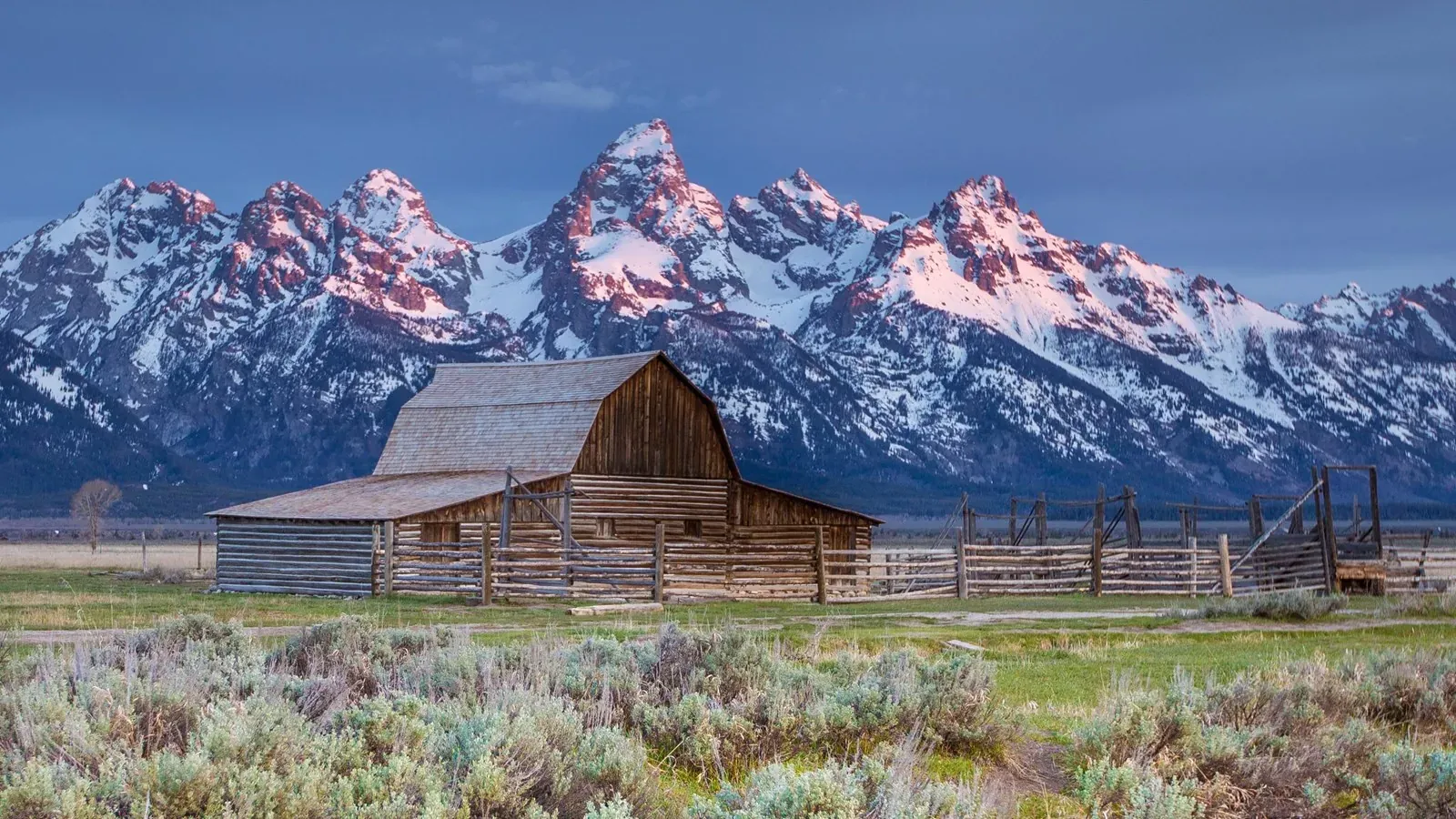
Mormon Row is home to the most photographed barns in America — the T.A. Moulton Barn and the John Moulton Barn, framed by the entire Teton Range.
What to Know
- › Best at sunrise — The Tetons face east, so morning light hits the mountains.
- › Free and open 24/7 — Accessible via Antelope Flats Road.
- › Two iconic barns — T.A. Moulton Barn and John Moulton Barn.
- › Wildlife — Bison herds frequently graze in the surrounding sage flats.
- › Schwabacher Landing — Nearby with classic Teton reflections and moose.
📷 Photography Tip
Use a wide-angle lens (16–24mm) for both barns and the full Teton Range. In fall, golden aspen trees add color.
Cascade Canyon
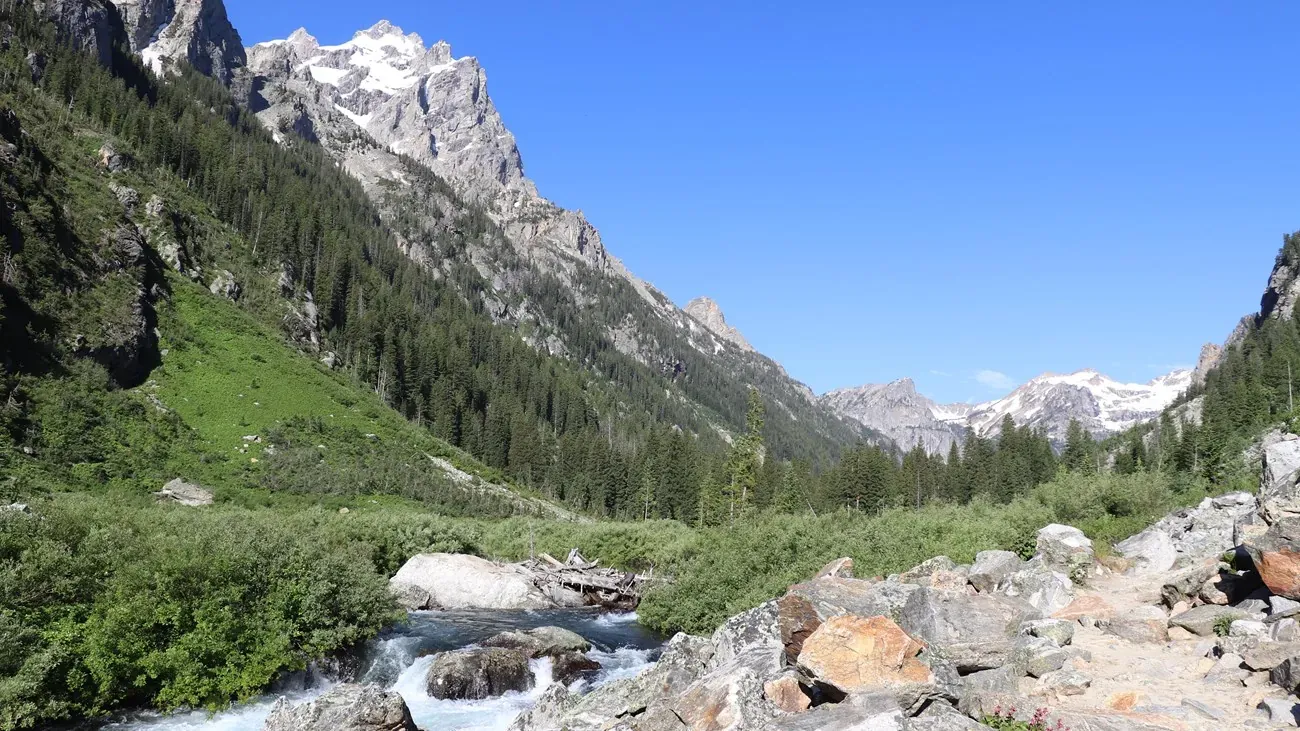
Cascade Canyon is the most popular day hike in Grand Teton — and for good reason. The trail penetrates deep into the heart of the Teton Range, flanked by towering granite walls.
Trail Options
- › Cascade Canyon to the Forks — 9.1 miles RT (or 4.6 with boat shuttle). Moderate.
- › Lake Solitude — Continue 3 miles past the forks. 14.6 miles RT total.
- › Hurricane Pass — For experienced hikers, 10,372-foot views.
- › Wildlife — Moose, black bears, and pikas. Carry bear spray.
⏰ Timing
Start by 7 AM. Snow can linger through July. The boat shuttle saves significant time. Bring layers.
Taggart & Bradley Lakes
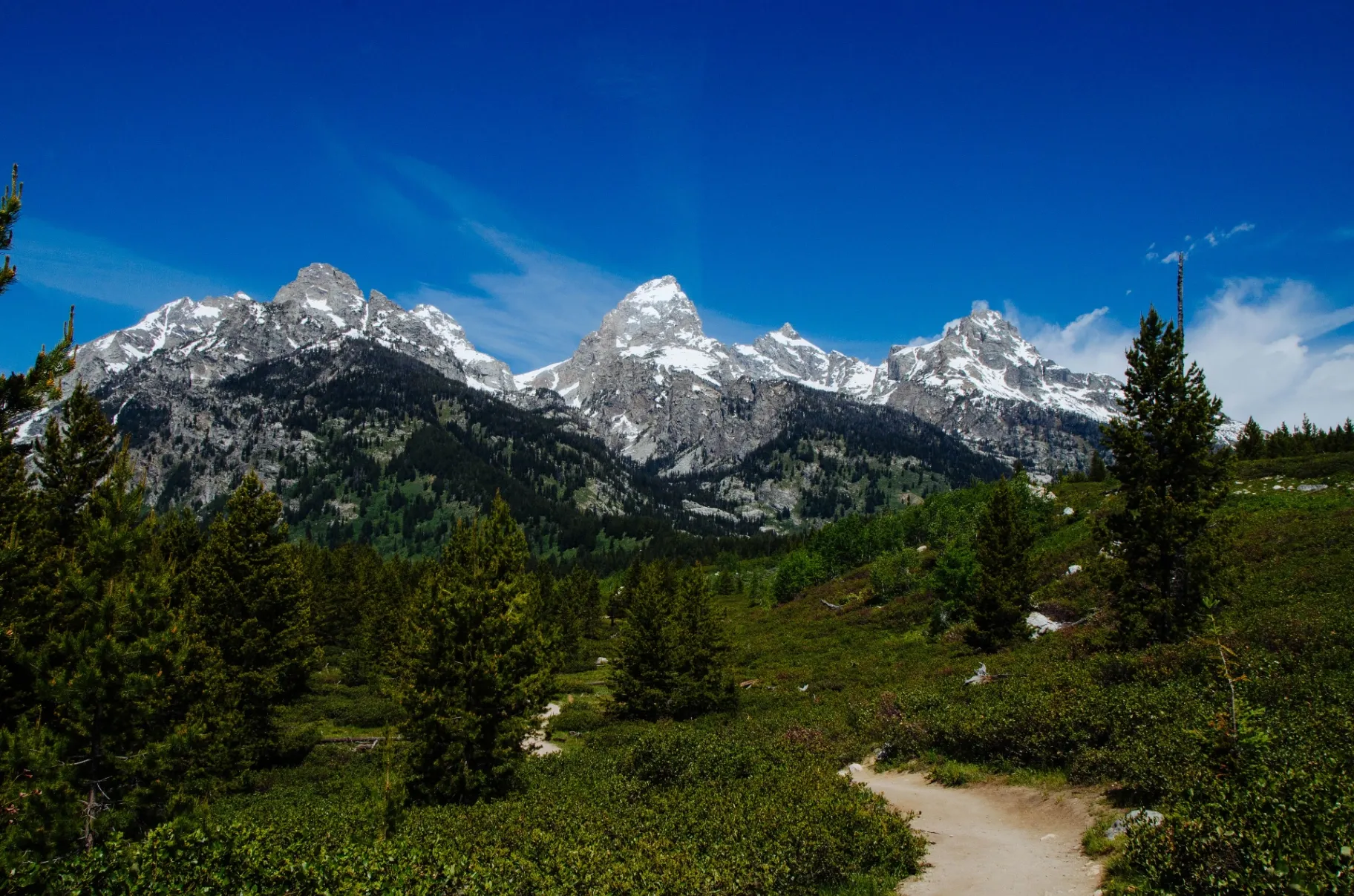
These glacial lakes sit at the base of Avalanche Canyon, offering a moderate hike with stunning Teton views and far fewer crowds than Jenny Lake.
Trail Details
- › Taggart Lake — 3.0 miles RT, 400 ft gain. Easy-moderate.
- › Taggart + Bradley Loop — 5.8 miles, visiting both lakes.
- › Best for families — Manageable distance, rewarding destination.
- › Wildflowers — Peak blooms in late June and July.
☀️ Insider Tip
The trailhead parking lot fills by 10 AM in summer. Arrive early or visit after 3 PM.
Top Hikes & Backcountry Trails
Grand Teton is a hiker's paradise — from easy lakeside strolls to multi-day backcountry traverses.
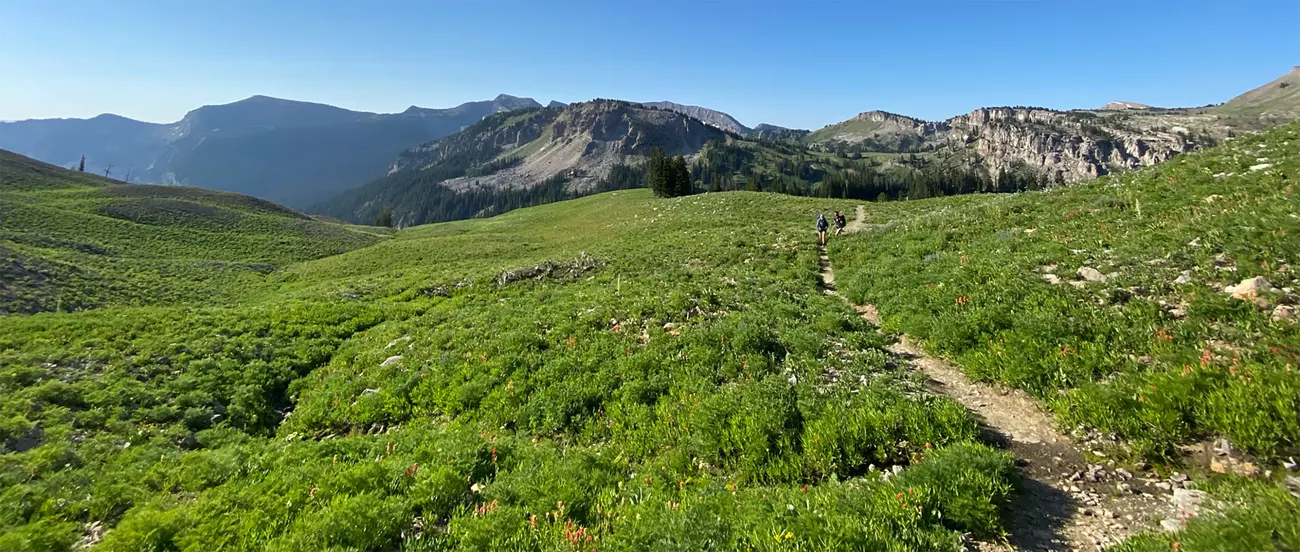
Teton Crest Trail
The crown jewel of Teton hiking — alpine meadows, passes above 10,000 feet, pristine backcountry lakes. 3–5 days.
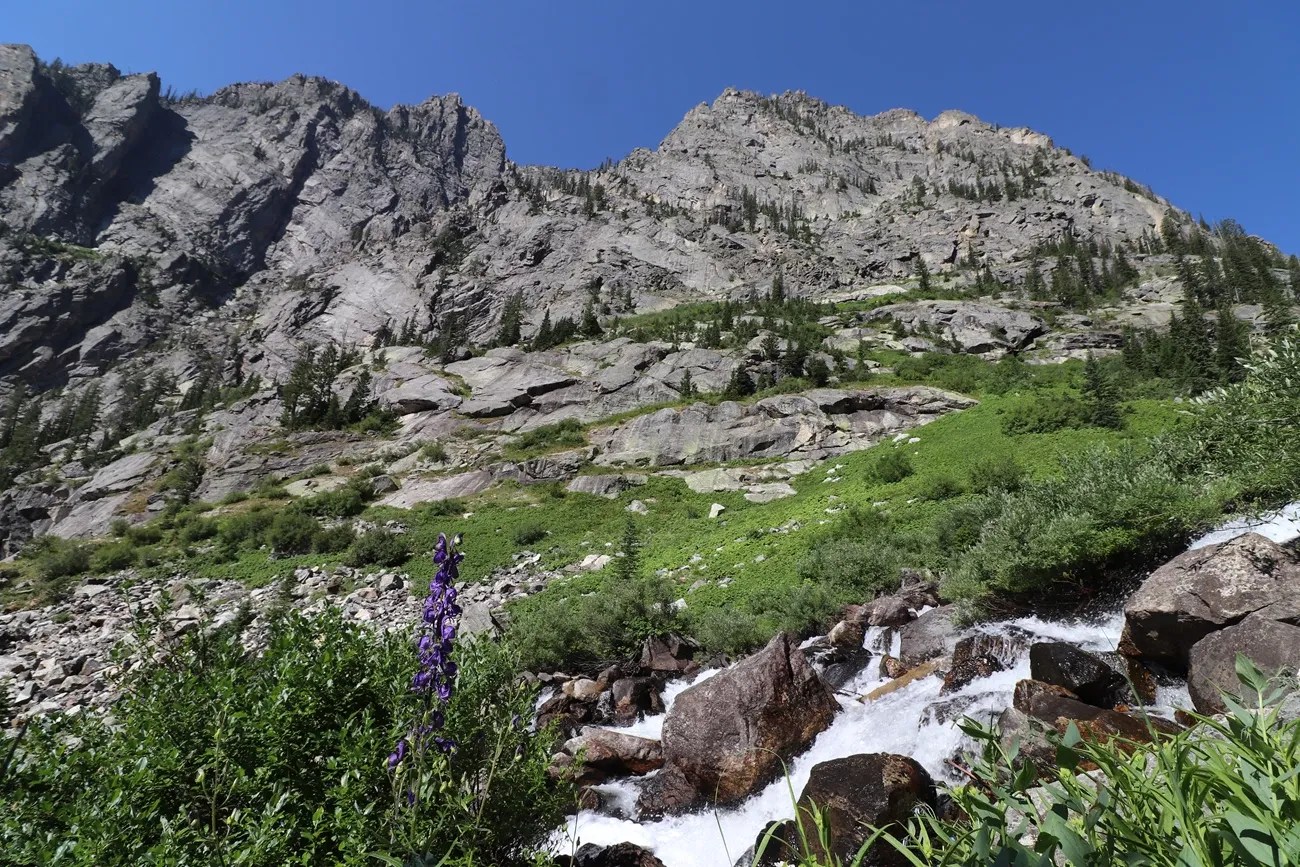
Death Canyon & Static Peak Divide
Dramatic canyon with a climb to 10,790 feet. Views of Jackson Hole valley and Idaho side.
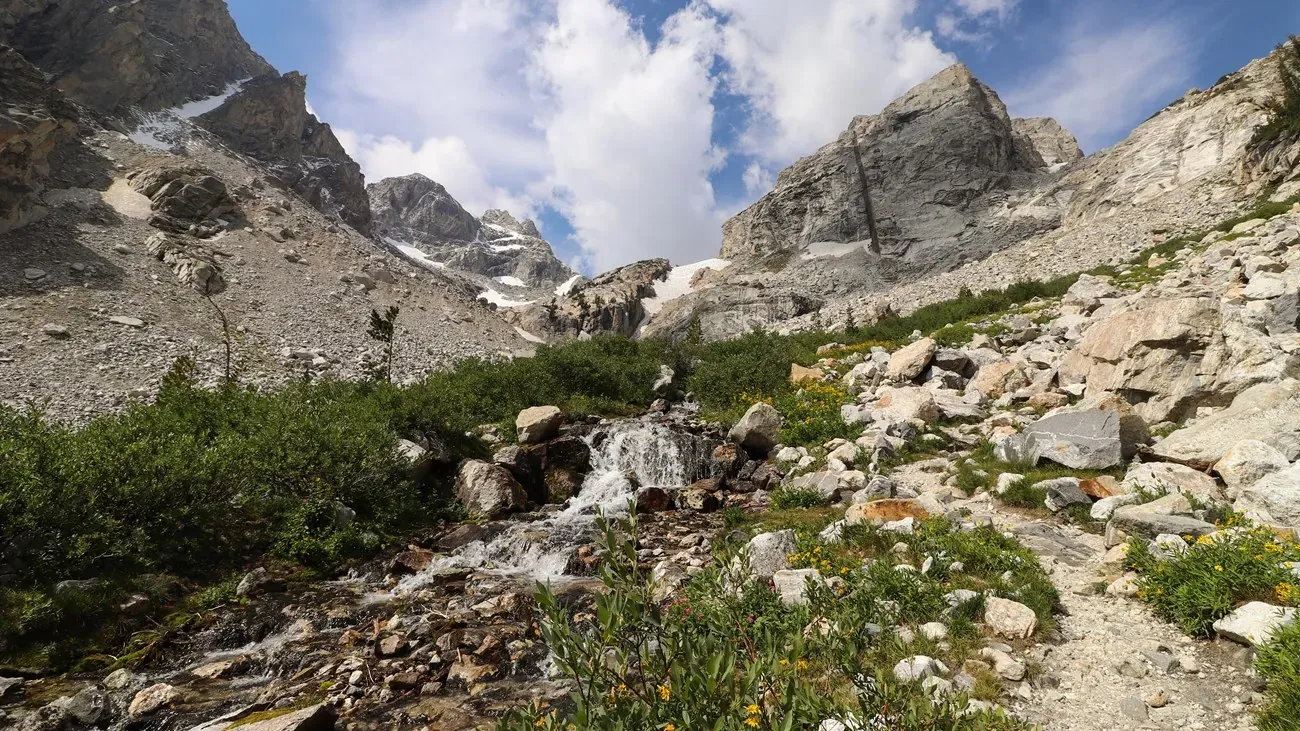
Garnet Canyon
The approach to the Grand Teton summit. Incredible views of Middle Teton.
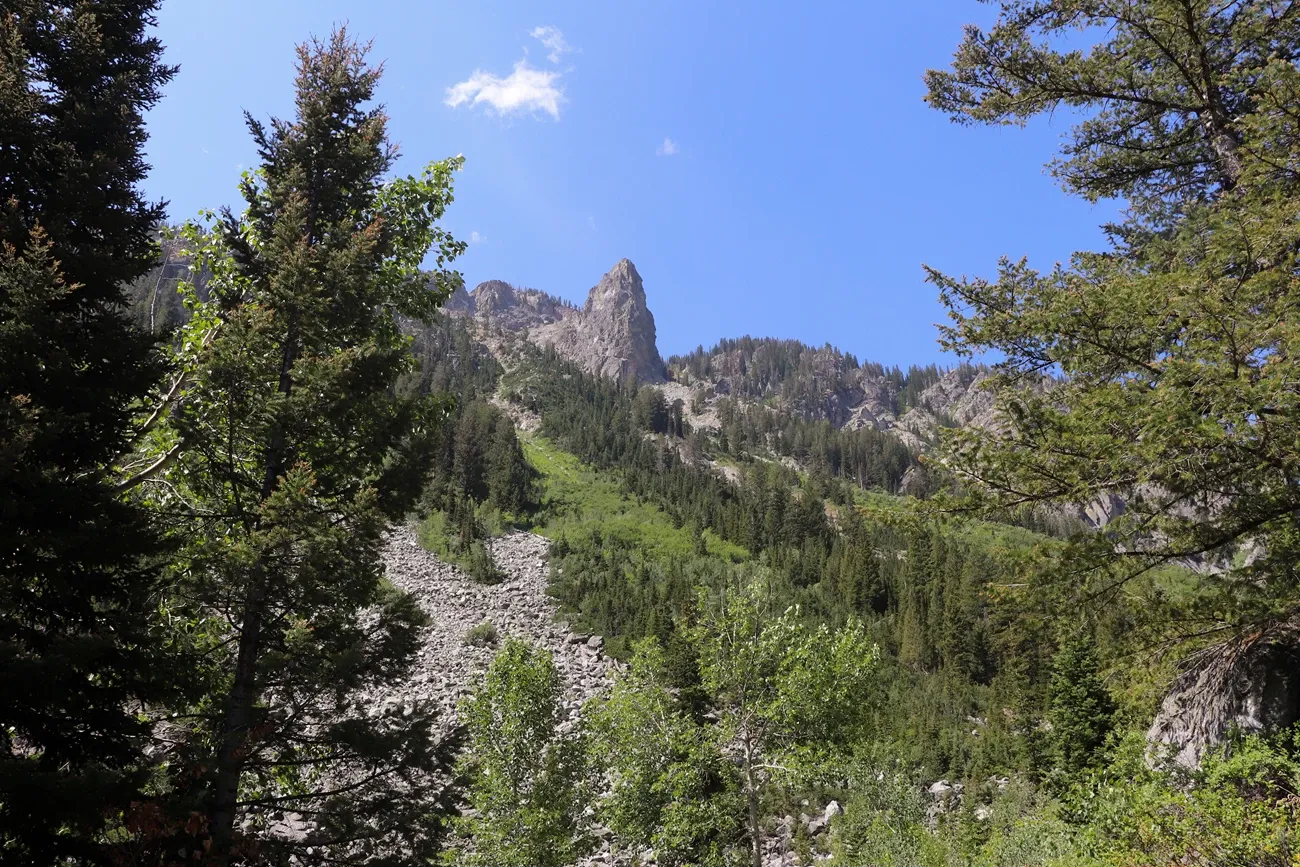
Granite Canyon to Marion Lake
Less-traveled canyon with wildflower meadows leading to beautiful Marion Lake.
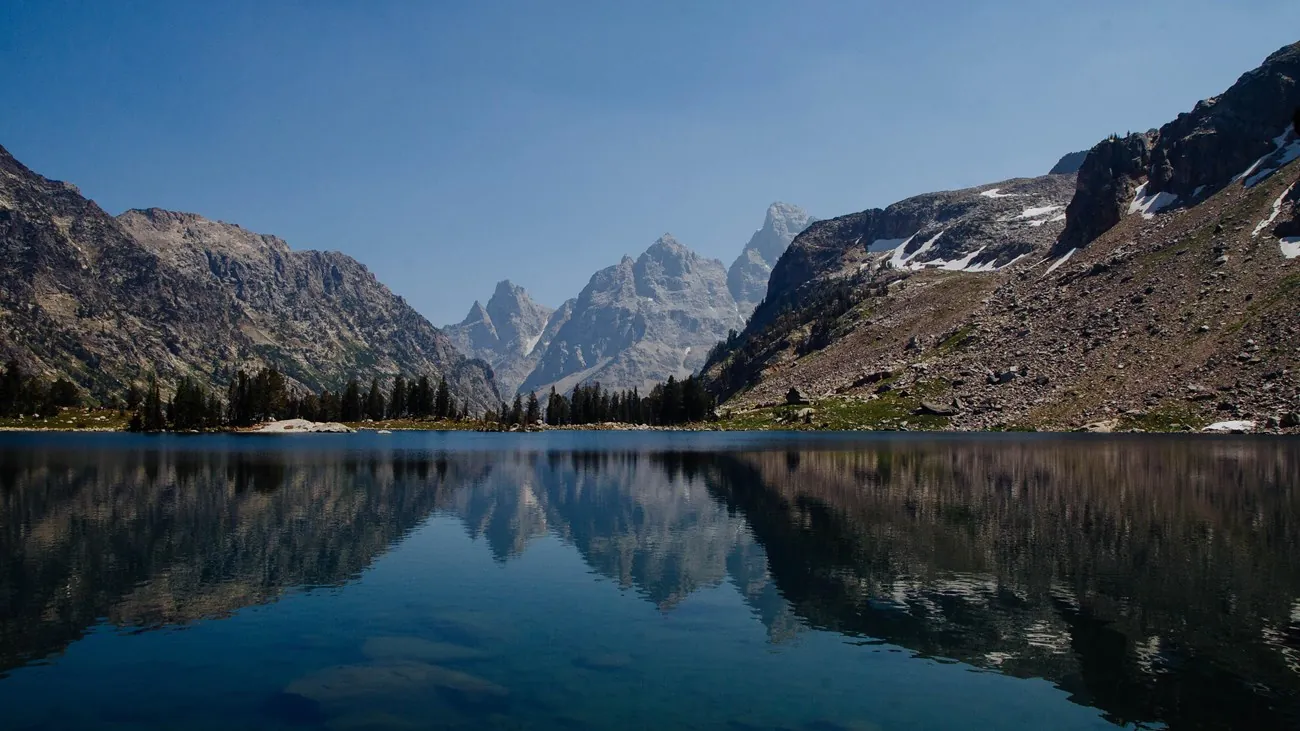
Lake Solitude via Cascade Canyon
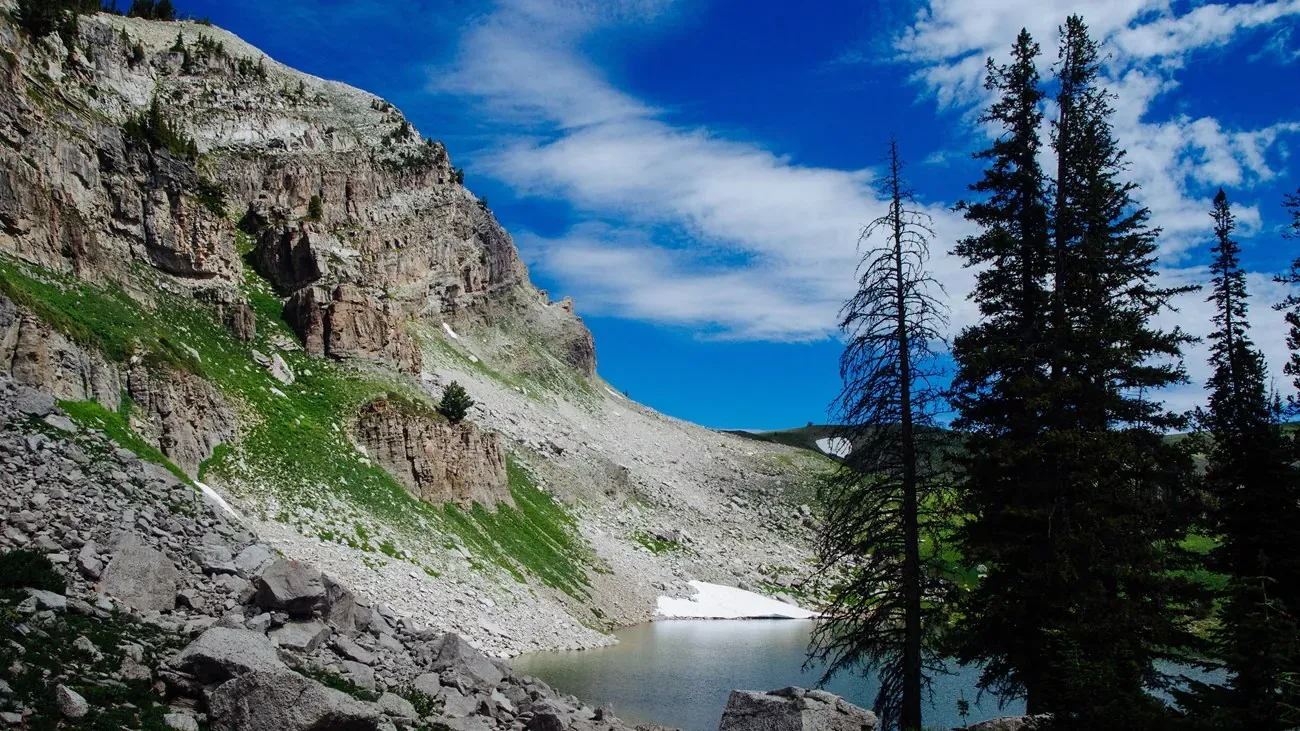
Stunning alpine lake at 9,035 feet. One of the most rewarding day hikes in the Tetons.
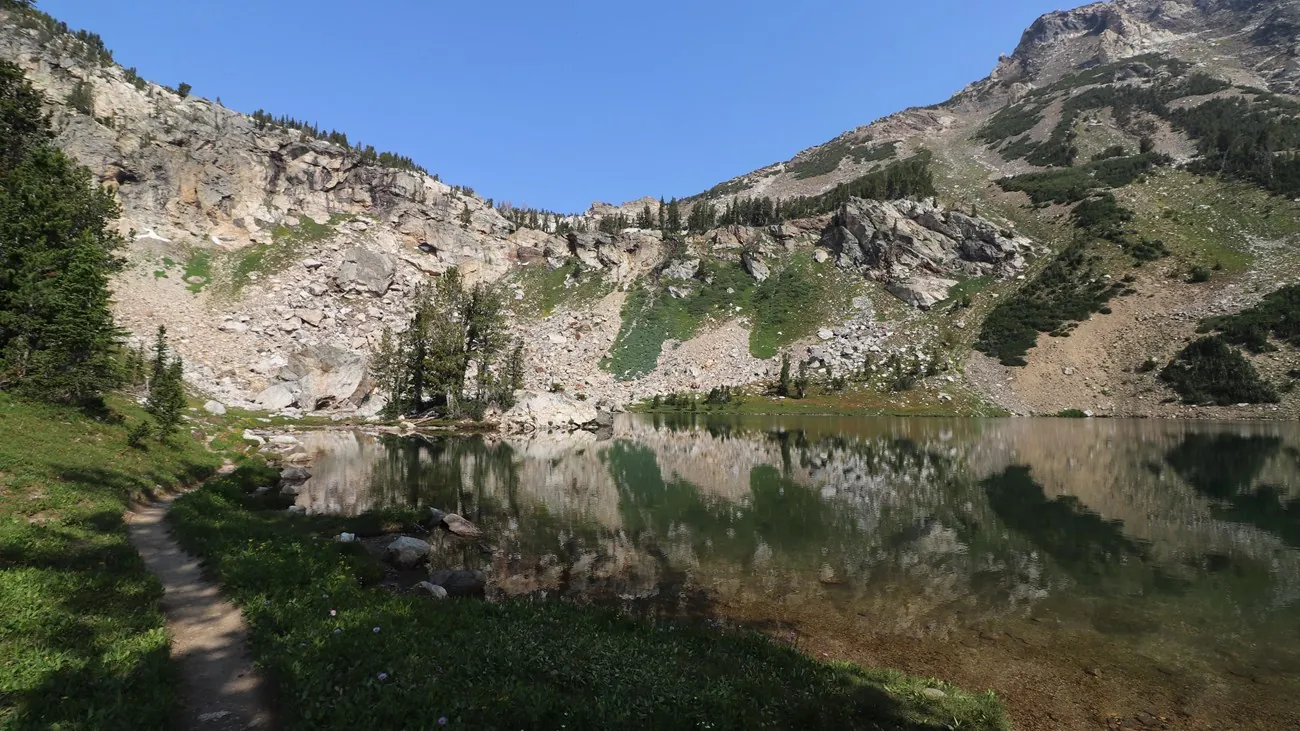
Holly Lake
A turquoise alpine gem via Paintbrush Canyon. Often combined with a 19-mile canyon loop.
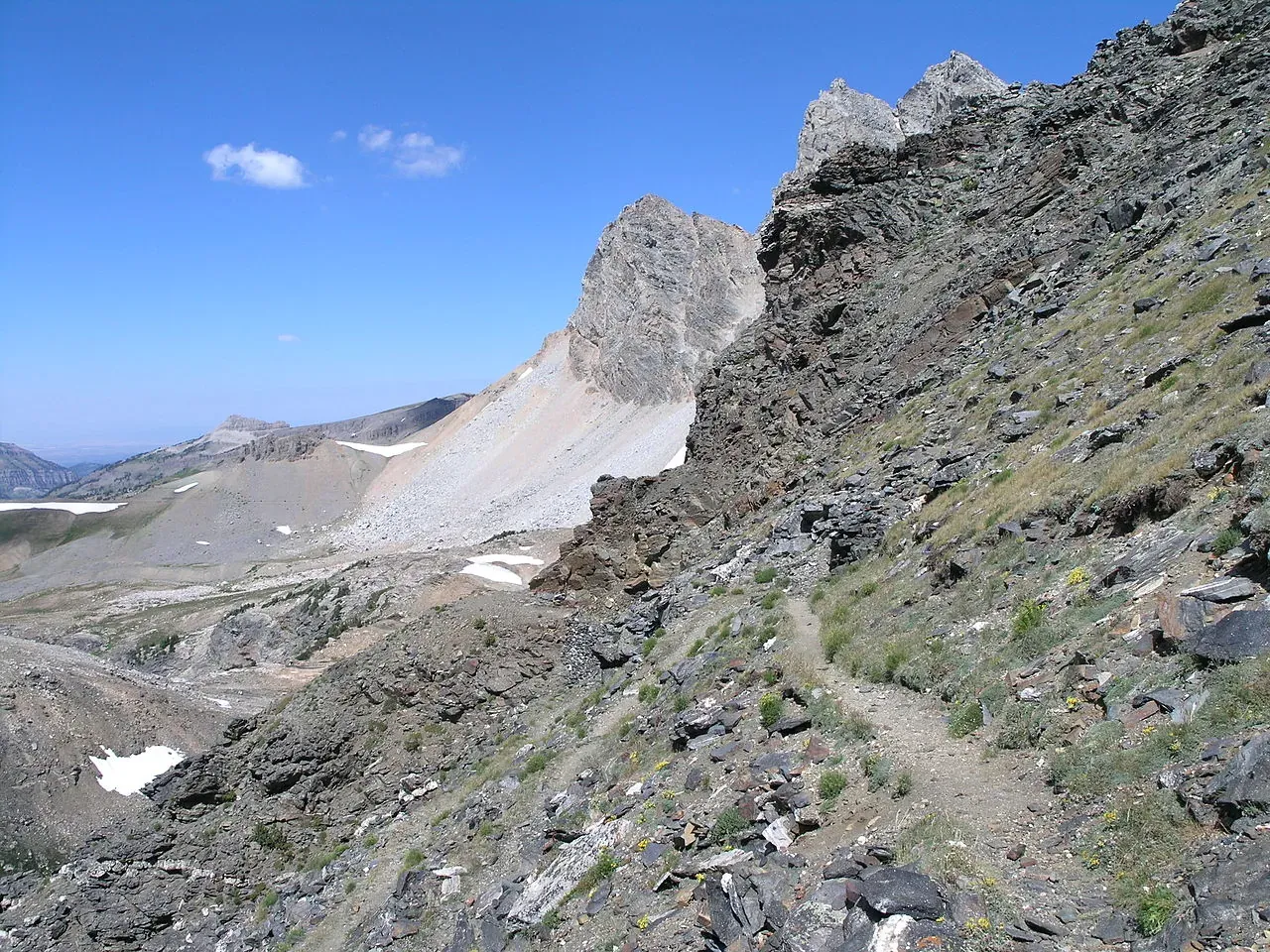
Alaska Basin via Teton Canyon
Accessed from the west side (Driggs, ID). High alpine basin with wildflower carpets.
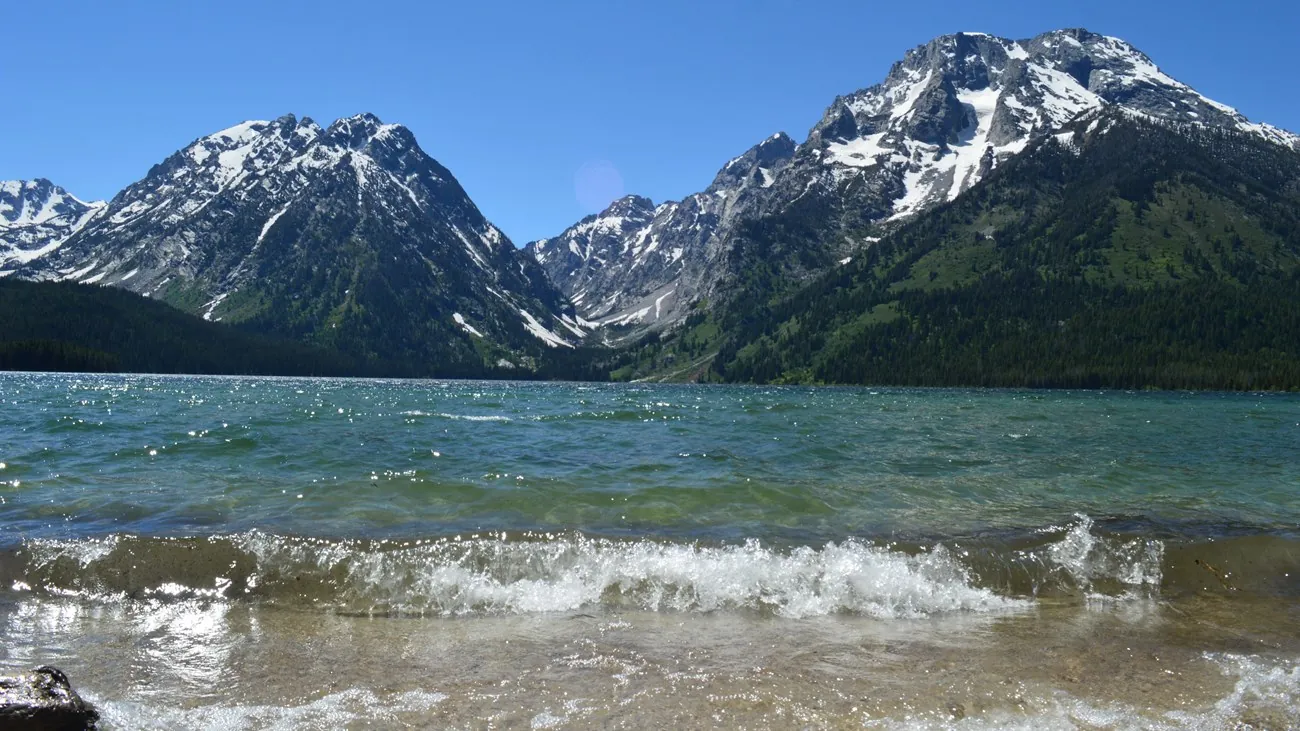
Leigh Lake
Flat, forested trail to a beautiful backcountry lake. Perfect for families wanting solitude.
🏕️ Backcountry Permits
Overnight trips require a permit ($45/trip). Reserve at recreation.gov starting January 5. Walk-up permits at Craig Thomas Discovery Center. Carry bear spray.
Scenic Drives & Viewpoints
Even if you don't hike, Grand Teton's roads deliver jaw-dropping scenery.
Must-Stop Viewpoints
- › Snake River Overlook — Ansel Adams' famous photograph location.
- › Schwabacher Landing — Perfect Teton reflections at dawn. Frequent moose.
- › Signal Mountain Summit — 5-mile drive to 7,720-foot summit with 360° views.
- › Oxbow Bend — Classic reflection spot on the Snake River. Best at sunrise.
- › Teton Park Road — The scenic loop closest to the mountains. May–October.
- › Jackson Lake Overlook — Multiple pullouts with Mount Moran reflections.
Multi-Use Pathways
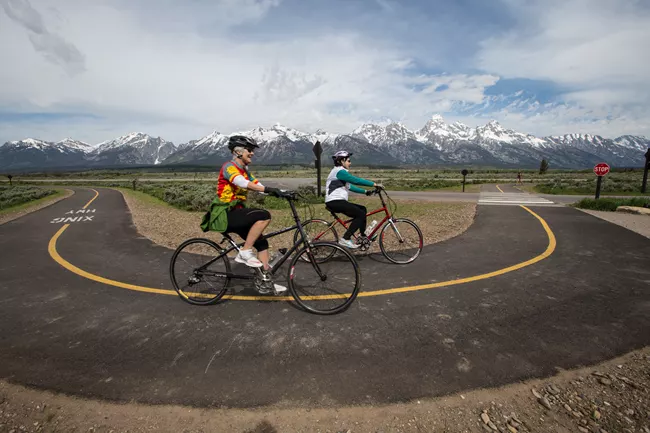
Grand Teton has expanding paved paths perfect for cycling and walking. The Jenny Lake to Jackson pathway is one of the most scenic bike rides in any national park.
Wildlife in Grand Teton
Grand Teton shares the Greater Yellowstone Ecosystem, supporting many of the same species.
Key Species & Where to Look
- › Moose — Willow Flats, Schwabacher Landing, Cascade Canyon. Dawn and dusk.
- › Bison — Antelope Flats, Mormon Row, Gros Ventre area. Year-round.
- › Black Bears — Berry patches in Cascade and Death Canyons. Carry bear spray.
- › Grizzly Bears — Less common but increasing. Pacific Creek area.
- › Elk — National Elk Refuge (winter), Teton Park Road meadows (summer).
- › Bald Eagles & Ospreys — Along the Snake River and Jackson Lake.
- › Pronghorn — Antelope Flats. Fastest land animal in North America.
For detailed species profiles, see our Yellowstone & Grand Teton Wildlife Guide.
Planning Your Visit
When to Go
- › June–September — All roads and trails open. Peak wildflowers in July.
- › September–October — Fall colors, elk rut, fewer crowds.
- › Winter — Cross-country skiing and snowshoeing. Most roads closed.
- › May — Snow melting, roads opening. Wildflowers beginning.
Getting There from Island Park
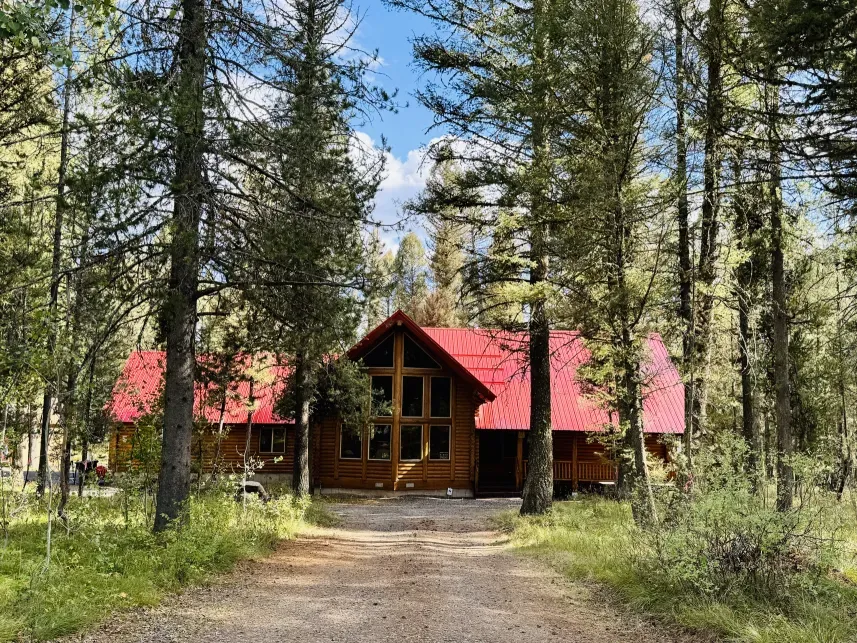
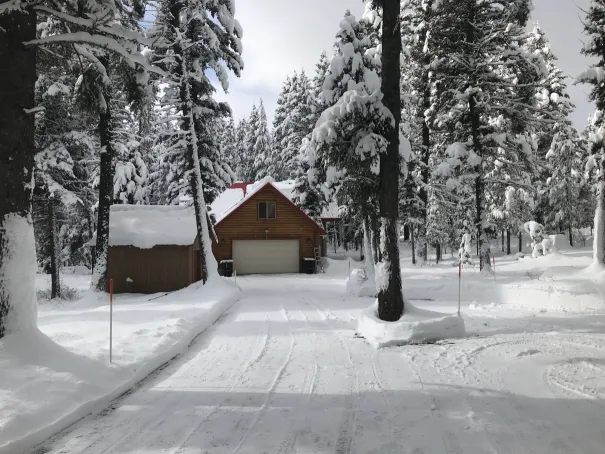
From our cabin, Grand Teton's north boundary is about 90 minutes via Highway 20 through West Yellowstone, or via Highway 32 through Ashton and Driggs over Teton Pass.
| Attraction | Time Needed | Difficulty | Best For |
|---|---|---|---|
| Jenny Lake + Hidden Falls | 2–4 hours | Easy-Moderate | Families, photography |
| Mormon Row | 30 min–1 hour | Easy (roadside) | Sunrise photography |
| Cascade Canyon | 5–8 hours | Moderate-Strenuous | Day hiking |
| Taggart Lake | 2–3 hours | Easy-Moderate | Families, wildflowers |
| Signal Mountain | 30 min | Easy (drive) | Panoramic views |
| Teton Crest Trail | 3–5 days | Strenuous | Backpacking |
🎫 One Pass, Two Parks
Your $35 Yellowstone vehicle pass covers Grand Teton too — valid for 7 days. See our How Many Days guide for scheduling.
Where to Stay
We recommend Island Park, Idaho — about 90 minutes from Grand Teton and 45 minutes from Yellowstone's West Entrance. Best of both parks from one home base.
Compare gateway towns in our Island Park vs. Yellowstone Border Towns guide.
Frequently Asked Questions
Is Grand Teton worth visiting on a Yellowstone trip?
Absolutely. One vehicle pass covers both parks, and Grand Teton adds dramatic mountain scenery, alpine lakes, and world-class hiking.
How many days do you need for Grand Teton?
1–2 days covers Jenny Lake, Mormon Row, and one major hike. 3–4 days lets you explore the backcountry at a relaxed pace.
What is the best hike in Grand Teton?
Cascade Canyon is the most popular and consistently spectacular day hike. The Teton Crest Trail is one of the best multi-day hikes in America.
Can I drive through Grand Teton to Yellowstone?
Yes — Highway 89/191 connects Jackson to Yellowstone's South Entrance through Grand Teton.
When do Grand Teton trails open?
Lower trails are typically snow-free by late May. Higher trails like Cascade Canyon may have snow through mid-July.