Why October Is Yellowstone's Best-Kept Secret
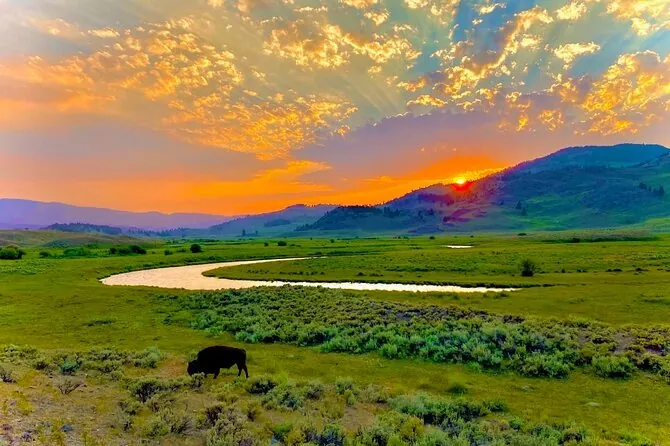
Most people think of Yellowstone as a summer destination. By October, the crowds have thinned by 70–80%, the air is crisp, and the park enters one of its most dramatic seasons. Bull elk bugle across the valleys, aspens blaze gold against dark pines, and grizzly bears forage aggressively before hibernation.
October in Yellowstone isn't the "off-season" — it's the insider's season. You get the same geysers, canyons, and wildlife with a fraction of the people. The trade-off? Colder temperatures, shorter days, and some facility closures. If you're willing to layer up, October rewards you with an experience summer visitors never get.
For a full month-by-month comparison, see our Best Time to Visit Yellowstone guide.
The Elk Rut: Yellowstone's October Spectacle
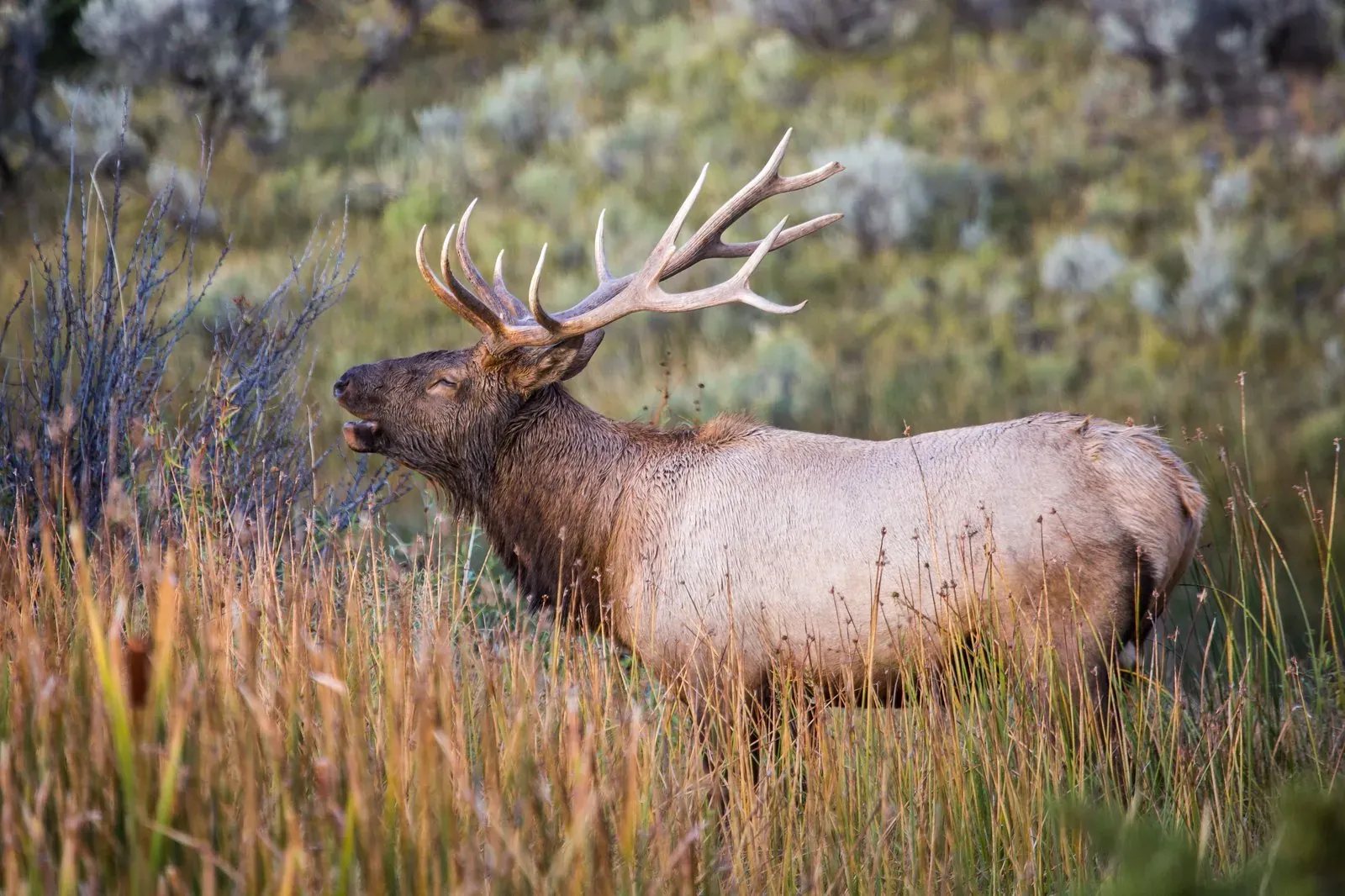
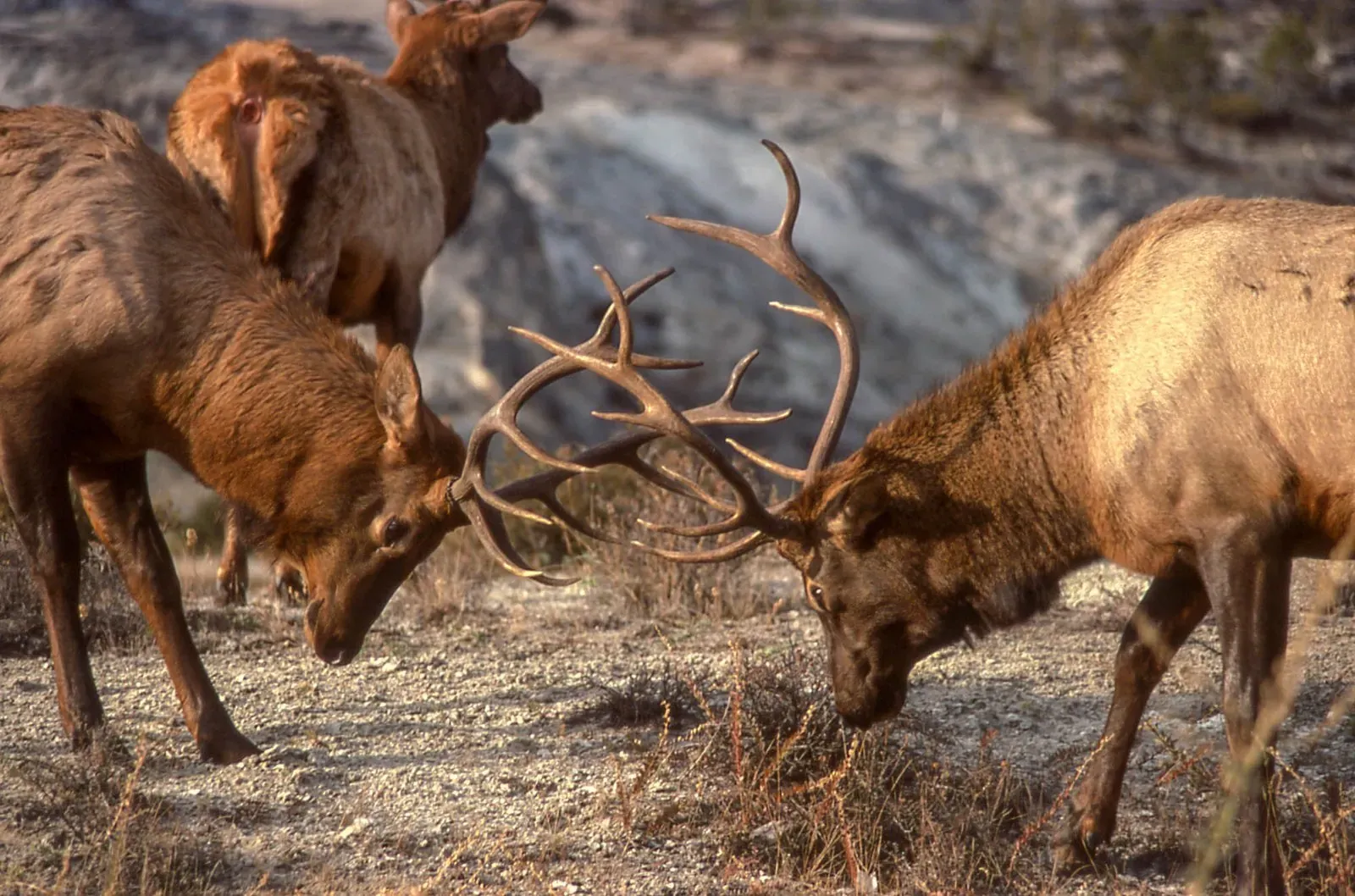
The elk rut is the defining event of October in Yellowstone. Bull elk compete for harems of cows, bugling — a haunting, high-pitched call — that echoes across the meadows. The action peaks from late September through mid-October.
Where to Watch
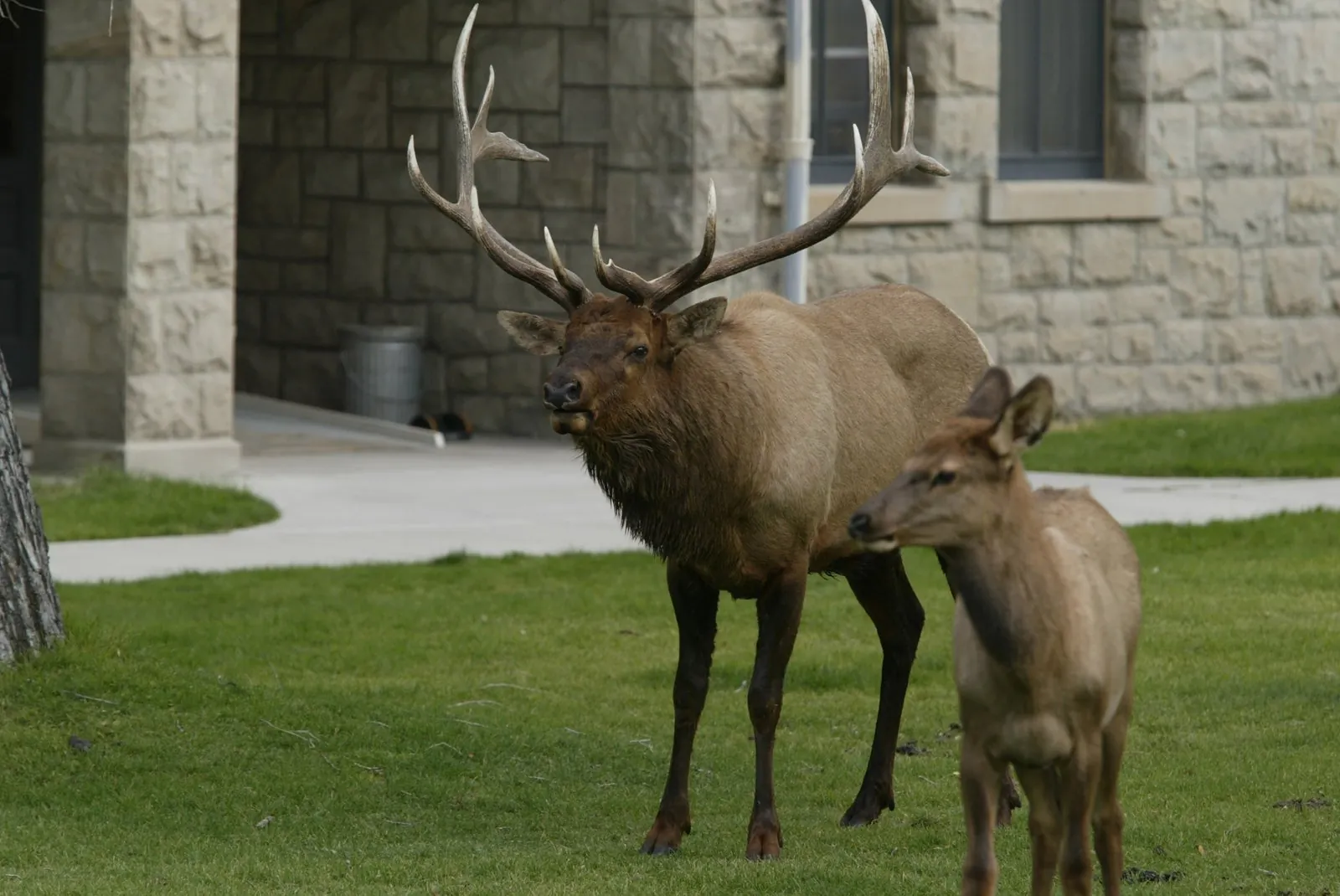
- Mammoth Hot Springs — The most reliable spot. Bull elk roam the hotel lawn and village streets.
- Madison River Valley — Large herds gather in the meadows near Madison Junction at dawn and dusk.
- Norris Meadows — Less-visited but productive; listen for bugling from the road.
- Gibbon Meadows — Open grasslands near Gibbon Falls with regular elk activity.
⚠ Safety Warning
Bull elk are extremely aggressive during the rut. Maintain at least 25 yards (75 feet) distance at all times. Never approach a bugling bull. Use a telephoto lens.
October Wildlife Beyond the Elk Rut
October is one of the best months for overall wildlife viewing. Animals are active throughout the day as they prepare for winter. For our complete species guide, see the Yellowstone Wildlife Guide.
What You'll See
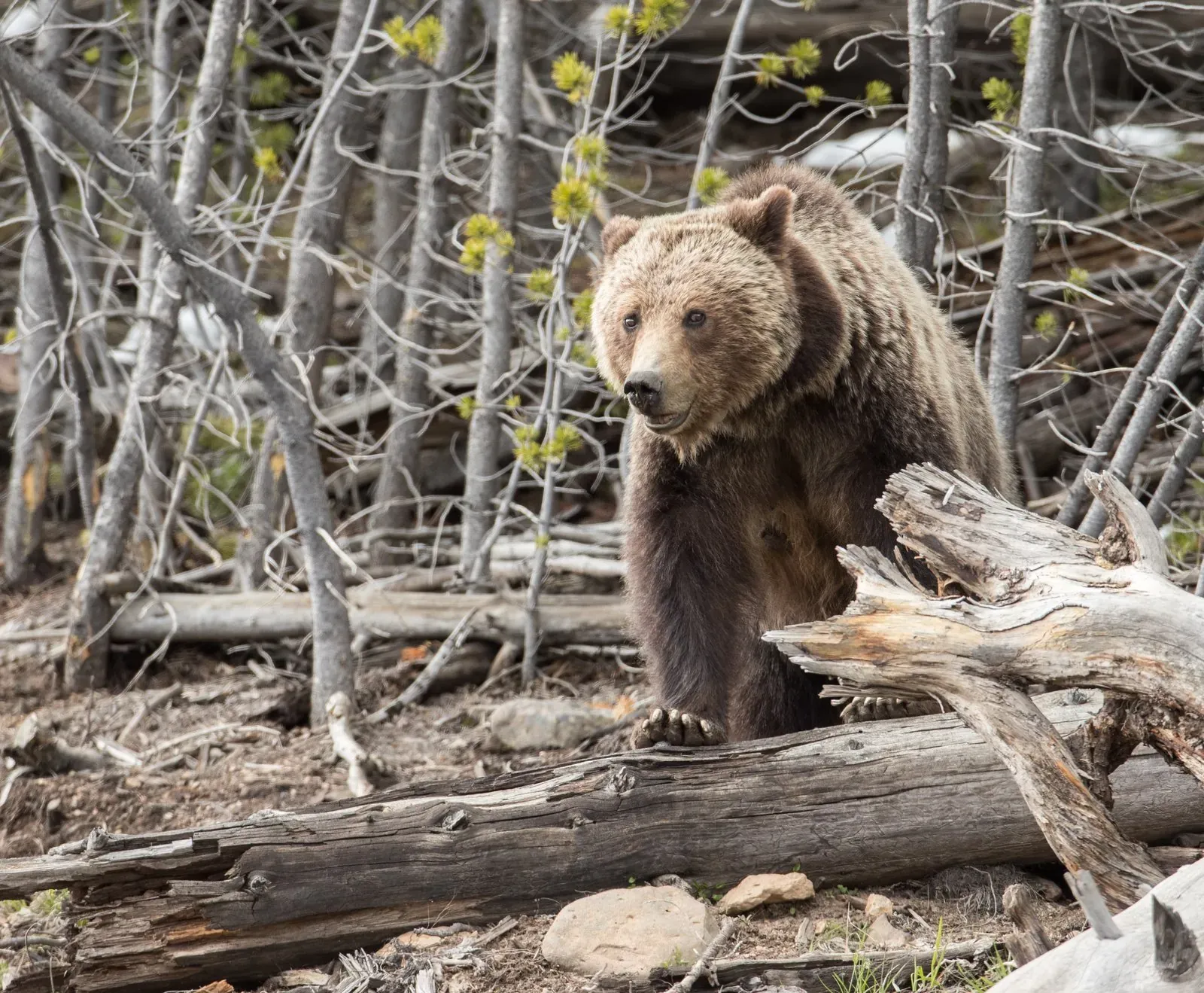
- Grizzly Bears — Hyperphagia mode: eating 20,000+ calories/day before hibernation. Extremely active in Lamar and Hayden Valleys.
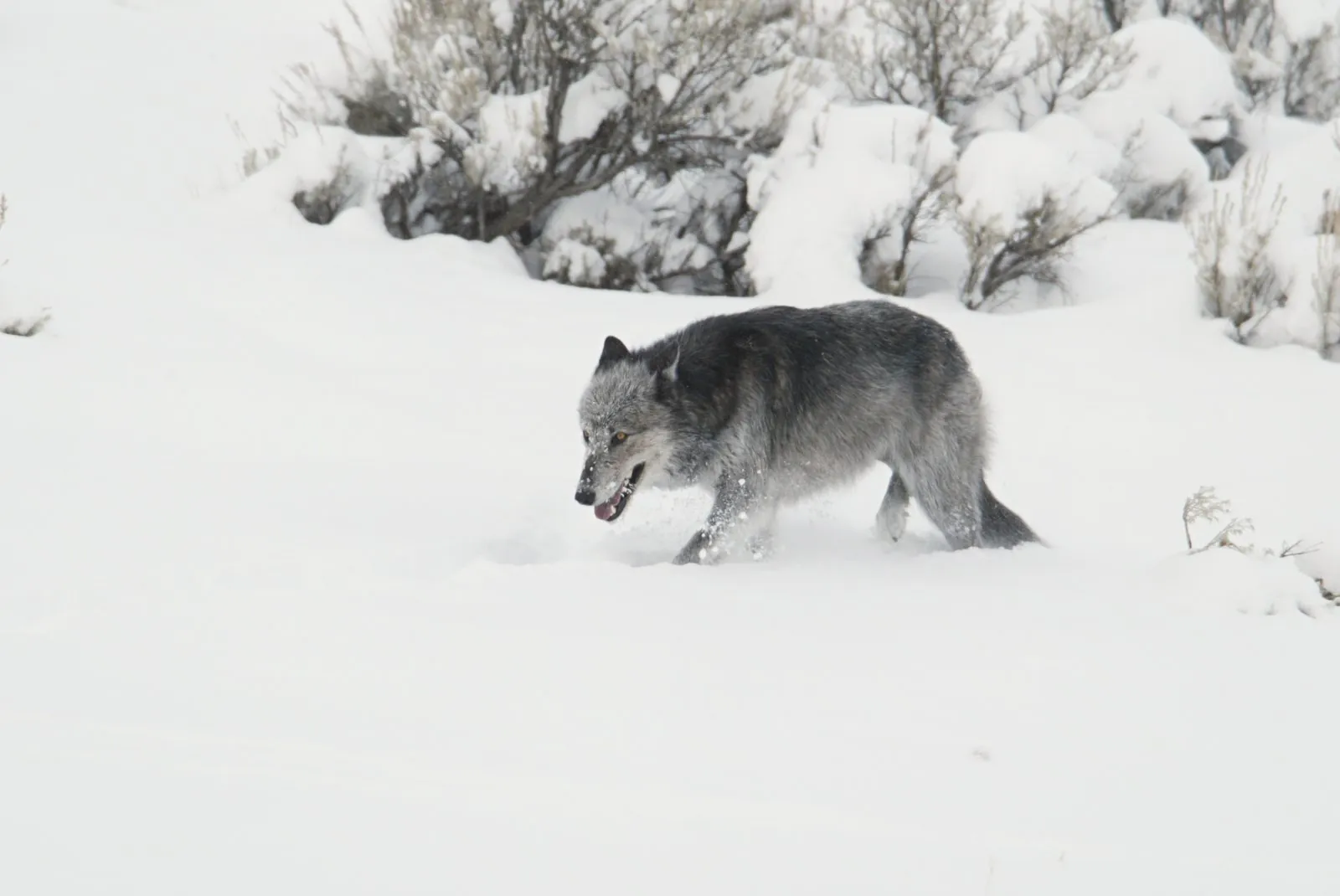
- Wolves — Pack activity increases in fall. Dawn and dusk in Lamar Valley are prime.
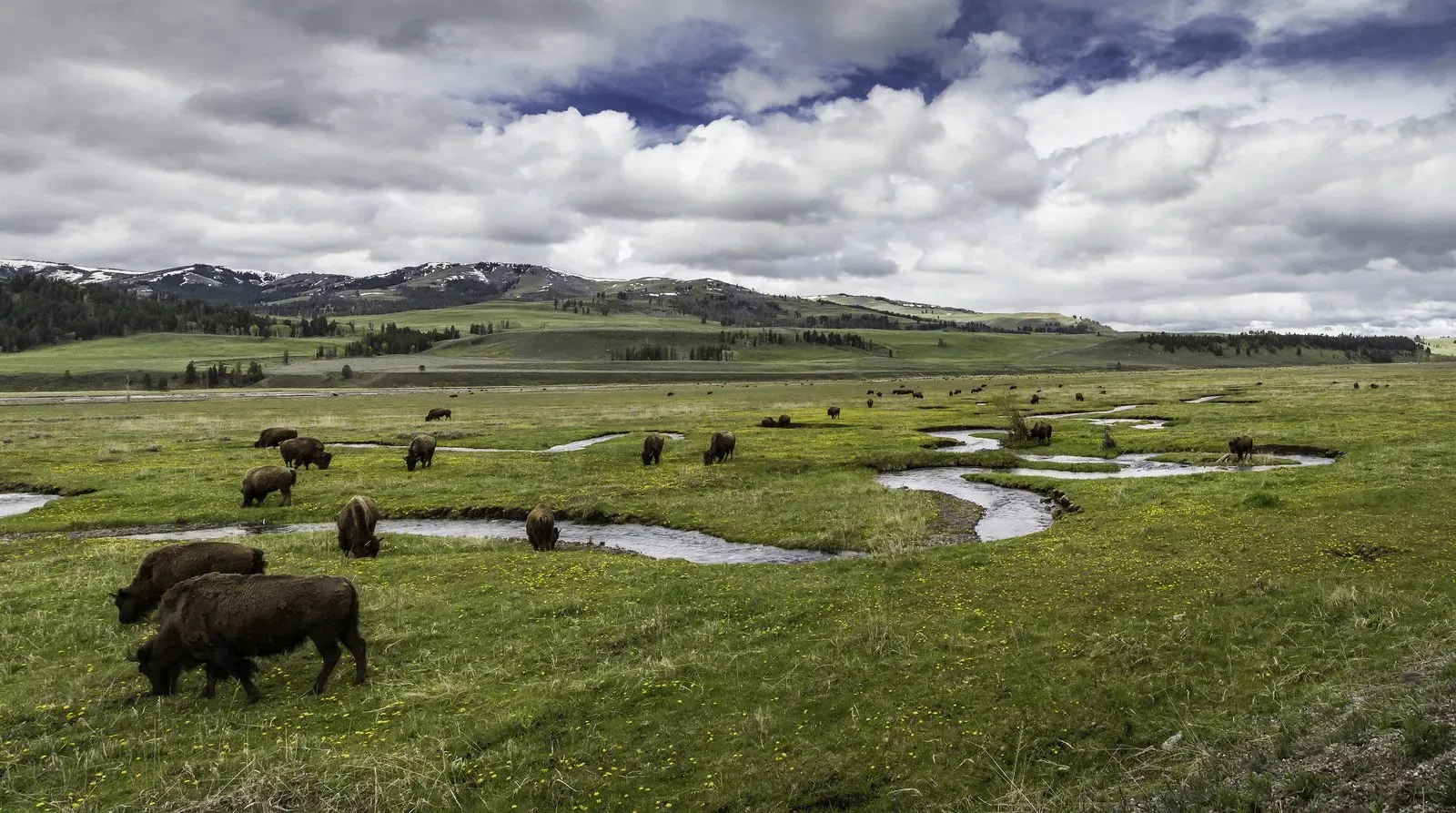
- Bison — Massive herds still in the valleys. The rut is over but the animals remain concentrated.
- Bighorn Sheep — Rams visible on cliffs near the Northeast Entrance and Tower Junction.
- Moose — Increased sightings in willowy areas; they're also in their rut season.
Fall Colors & Photography
Yellowstone's fall color palette is subtle but stunning. Aspen and cottonwood groves turn brilliant gold against dark lodgepole pine forests. Peak color generally runs from late September through mid-October.
Best Spots for Fall Color
- Lamar Valley — Golden aspens along the Lamar River with mountain backdrops.
- Tower Junction to Tower Falls — One of the best drives for color, with dramatic canyon views.
- Mammoth to Norris — Aspens along the road with elk herds in the foreground.
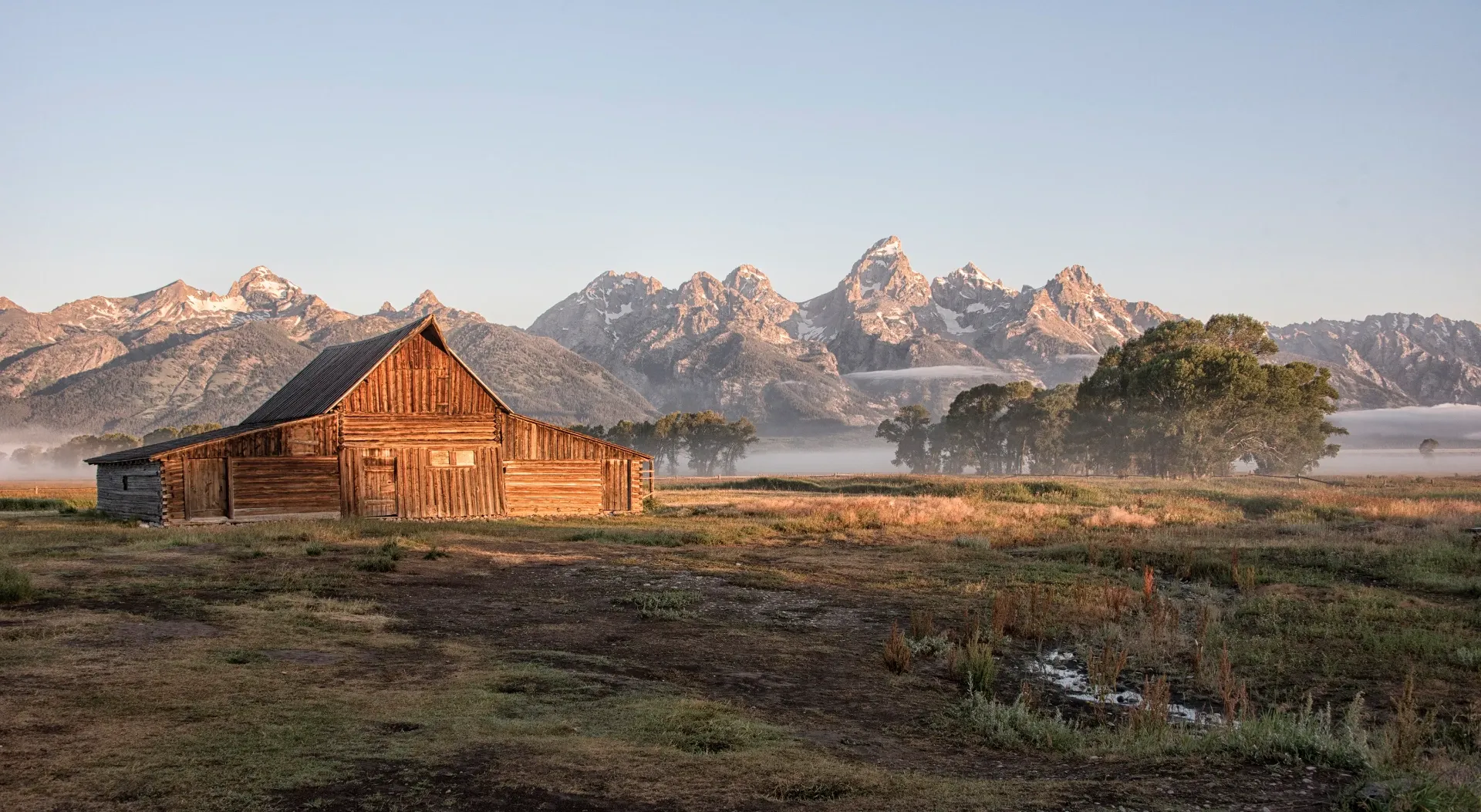
- Grand Teton's Mormon Row — The Moulton Barn with golden cottonwoods and the Teton skyline.
- Snake River Overlook — Grand Teton's classic viewpoint, surrounded by fall foliage.
📸 Photography Tip
October's low-angle light is magical for photography. Golden hour lasts longer, and morning mist over rivers creates ethereal scenes. Bring a telephoto (200–400mm) for wildlife and a wide-angle for landscapes.
October Weather & What to Pack
October weather in Yellowstone is variable and can shift dramatically within hours. Sunny 55°F afternoons can give way to overnight snowstorms.
🌡 Temperature Range
Highs: 40–55°F (4–13°C) early month, dropping to 30–45°F by late October.
Lows:
15–30°F (−9 to −1°C). Below zero is possible at higher elevations.
🌧 Precipitation
Snow is possible any day. Early October may see light dustings; late October can bring significant accumulation, especially above 7,000 feet.
Essential Packing List
- Base layer — Merino wool or synthetic long underwear (top and bottom).
- Insulating layer — Fleece or down jacket for warmth.
- Outer shell — Waterproof, windproof jacket and pants.
- Warm hat, gloves, and neck gaiter — Essential for early morning wildlife watching.
- Sturdy boots — Waterproof hiking boots with traction for potentially icy trails.
- Binoculars — Critical for elk rut and Lamar Valley wildlife viewing.
- Vehicle emergency kit — Blankets, snacks, water, flashlight; conditions can change fast.
🧥 Layering Strategy
Dress for 20°F colder than the forecast when heading out at dawn for wildlife. Mornings in Lamar Valley can be brutally cold even when afternoons are pleasant.
Roads & Facility Closures
Most of Yellowstone's main loop roads remain open through early November, but some secondary roads and facilities begin closing in October.
Typical October Closures
- Dunraven Pass (Tower to Canyon) — Usually closes mid-October due to snow.
- Beartooth Highway — Closes for the season in mid-October (weather dependent).
- Craig Pass (Old Faithful to West Thumb) — May close temporarily for snow.
- Lamar Valley road — Stays open; Gardiner to Cooke City is year-round.
- West Entrance to Old Faithful — Open through early November.
Facility Closures
- Canyon Village — Lodging and dining close early October.
- Lake Hotel & Lodge — Close early October.
- Old Faithful Snow Lodge — Closes late October, reopens for winter season in December.
- Mammoth Hot Springs Hotel — Typically open through early November.
- Gas stations — Only Mammoth remains open late October; fill up before entering.
For the full road schedule, see our Yellowstone Roads Guide.
Crowds & Logistics
October visitation drops 70–80% compared to July and August. You can park at Old Faithful without circling the lot, walk canyon rim trails alone, and watch geysers erupt with a handful of other visitors.
Practical Considerations
- Daylight — Roughly 11 hours (7 AM sunrise, 6:30 PM sunset). Plan wildlife viewing for dawn and late afternoon.
- Gas — Fill up before entering. Only Mammoth has reliable gas late in the month.
- Food — Bring snacks and a packed lunch. Dining options are limited.
- Cell service — Nearly nonexistent inside the park. Download offline maps before entering.
- Reservations — Fewer lodging options but also less competition. Book Mammoth or stay in Island Park.
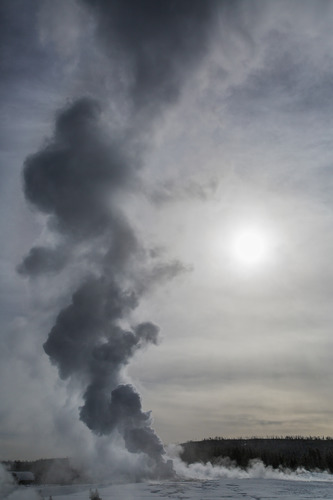
Best Areas to Visit in October
With limited daylight and some closures, prioritize the areas that shine brightest in fall.
| Area | October Highlight | Status |
|---|---|---|
| Mammoth Hot Springs | Elk rut epicenter + terraces | Open all month |
| Lamar Valley | Wolves, bears, bison, fall color | Open all month |
| Upper Geyser Basin | Old Faithful with no crowds | Open through early Nov |
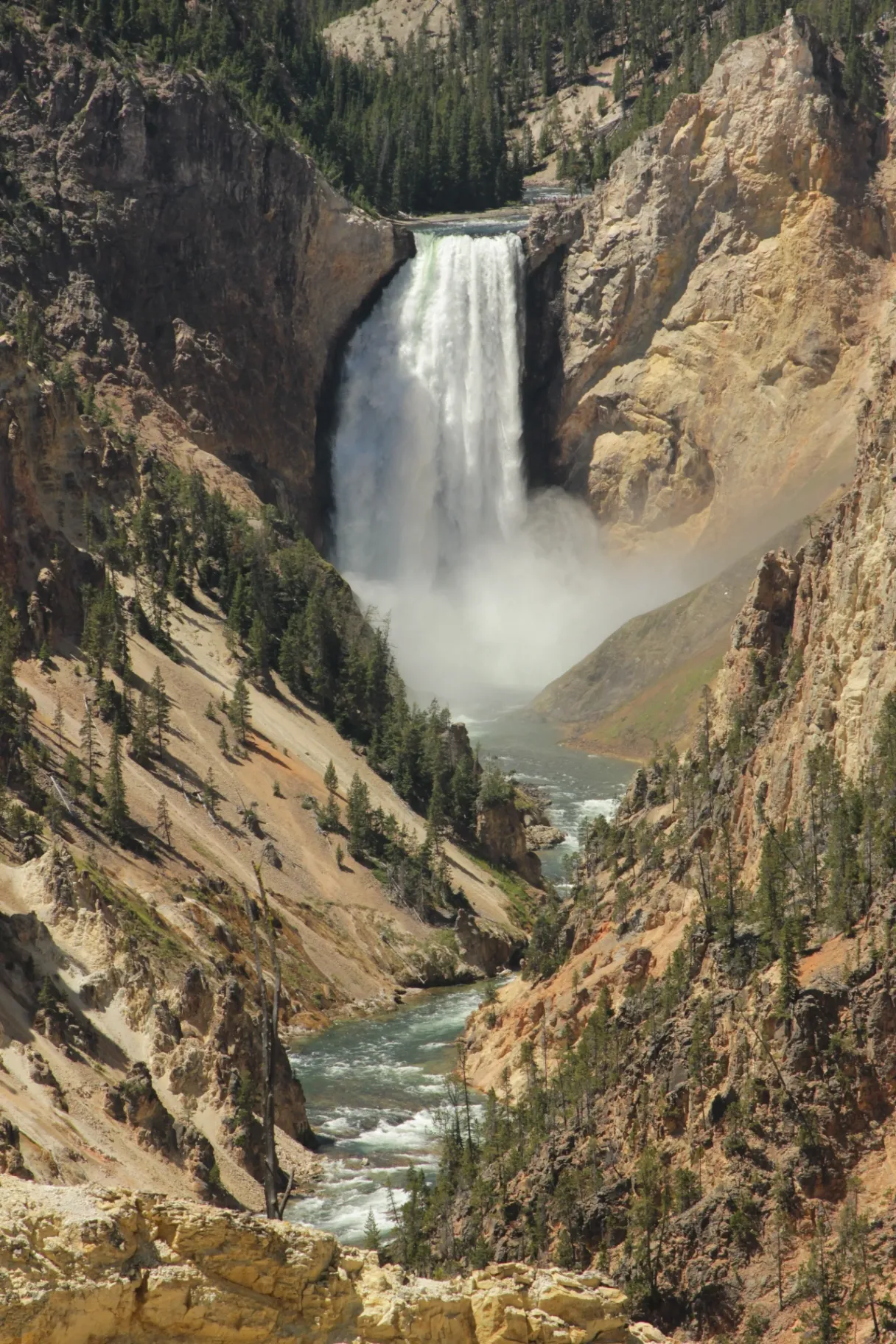
| Grand Canyon | Lower Falls + golden aspens | South Rim open; North may close |
| Norris Geyser Basin | Dramatic steam in cold air | Open all month |
| Tower–Roosevelt | Fall drive + petrified trees | Dunraven closes mid-Oct |
| Grand Teton | Mormon Row + fall foliage | Open but limited services |
For day-by-day plans, see our 3-Day Yellowstone Itinerary and Best Things to Do in Yellowstone.
Grand Teton in October
Grand Teton is arguably even more beautiful in fall than summer. Cottonwoods along the Snake River blaze gold, and first dustings of snow on the peaks create a two-tone landscape photographers travel across the country for.
October Highlights
- Mormon Row at sunrise — Golden cottonwoods framing the Moulton Barn with snow-dusted Tetons.
- Schwabacher Landing — Snake River reflections with fall color; often has moose.
- Taggart Lake — Easy hike through golden aspens to a glacial lake.
- Jenny Lake — Boat dock closes early October, but shore trail and views remain stunning.
- Moose rut — Bull moose active in willowy areas near Gros Ventre and along the Snake River.
🏔 Teton Tip
Many Grand Teton facilities close by early October, but park roads (including Teton Park Road) stay open through November 1 most years. The Jenny Lake Scenic Drive closes earlier. Pack food and gas.
Where to Stay
October lodging inside the park is extremely limited. We recommend Island Park, Idaho — 45 minutes from Yellowstone's West Entrance — for more space, better value, and a quiet mountain setting.
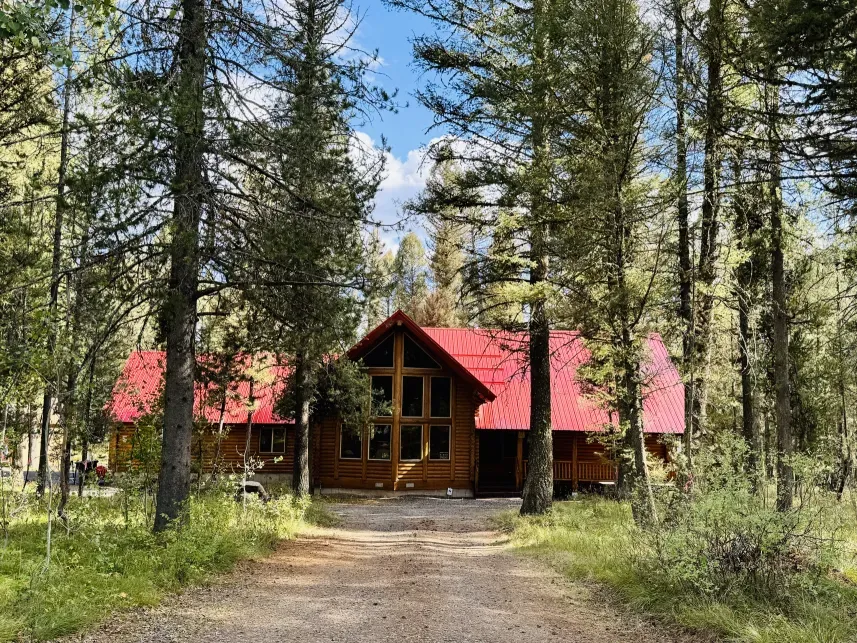
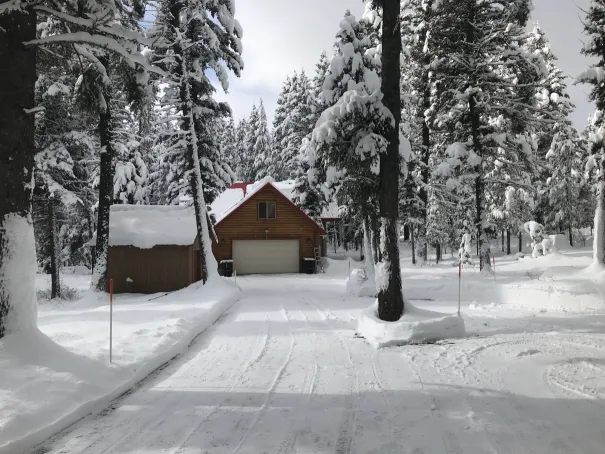
Our cabin sleeps 12 with a hot tub, fire pit, full kitchen, and direct snowmobile trail access for later in winter. Compare gateway options in our Island Park vs. Border Towns guide.
Frequently Asked Questions
Is October a good time to visit Yellowstone?
Absolutely. The elk rut, fall colors, active wildlife, and 70–80% fewer crowds make it one of the best months for experienced visitors willing to handle colder weather.
Are Yellowstone roads open in October?
Most main loop roads stay open through early November. Dunraven Pass and Beartooth Highway typically close mid-October. The West Entrance road remains open.
What should I pack for Yellowstone in October?
Warm layers (merino base, fleece mid, waterproof shell), insulated gloves, warm hat, waterproof boots, and binoculars. Expect temps from 15°F at dawn to 55°F midday.
Can I see the elk rut in October?
Yes — the rut peaks in late September through mid-October. Mammoth Hot Springs is the #1 spot. Bulls bugle at dawn and dusk and can be seen from the hotel parking lot.
Is Grand Teton worth visiting in October?
Absolutely. The fall foliage is arguably better than Yellowstone's, and the Teton skyline with fresh snow is iconic.