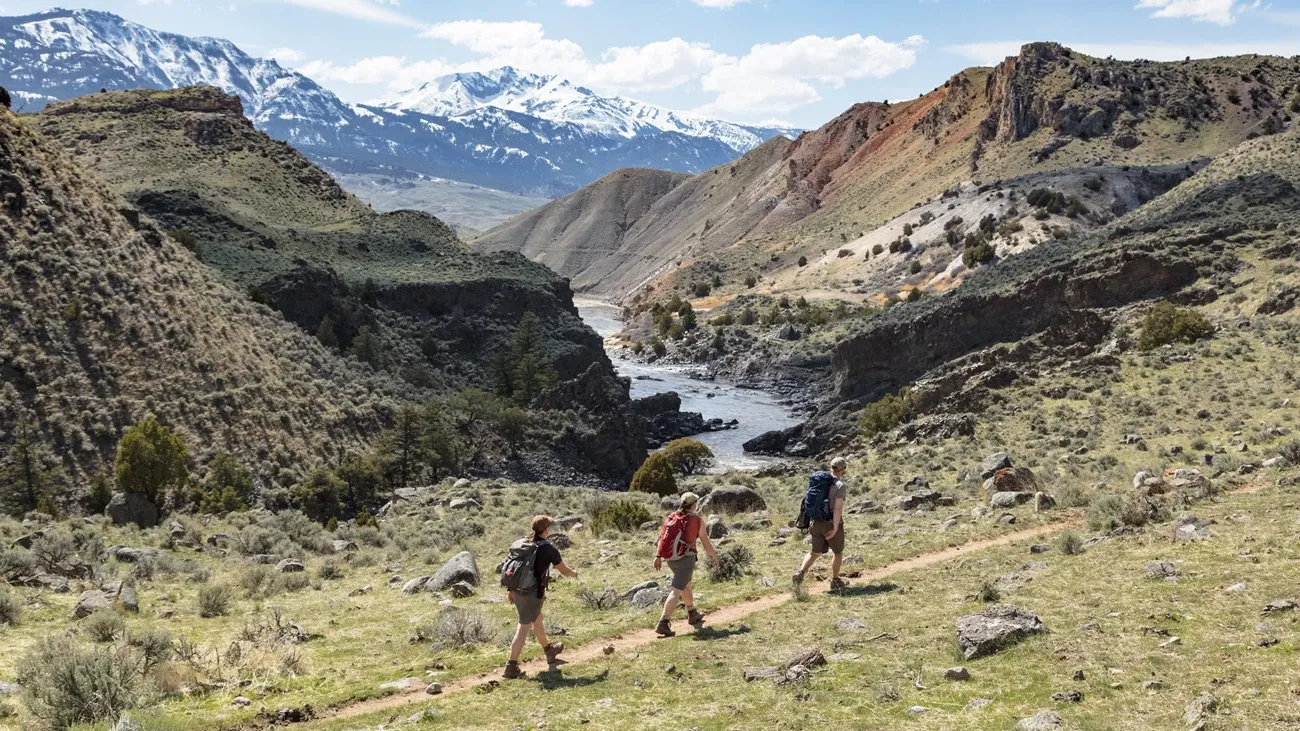
The 10 Best Day Hikes in Yellowstone
Yellowstone has over 900 miles of trails, but you don't need to be a seasoned backpacker to experience the best of them. Whether you want a flat boardwalk loop past erupting geysers or a steep climb to a panoramic summit, this guide covers the 10 best day hikes for every fitness level.
We've organized them from easiest to most challenging so you can find the right trail for your group — from families with small children to experienced hikers looking for a workout.
Easy Hikes — Perfect for Everyone
Upper Geyser Basin Loop
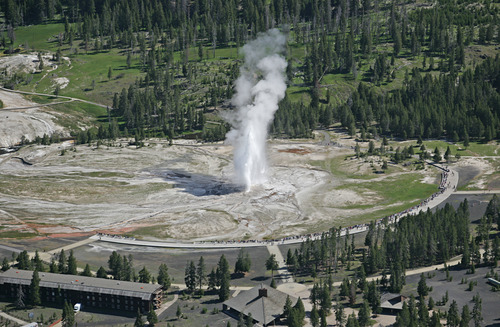
The crown jewel of Yellowstone hiking — and it's completely flat. This paved boardwalk loop takes you past Old Faithful, Grand Geyser, Morning Glory Pool, and dozens of smaller geothermal features. You'll see more geysers per mile here than anywhere else on Earth.
- Paved and wheelchair-accessible in most sections
- Best time: early morning (7–8 AM) before tour buses arrive
- Allocate 2–3 hours to see eruptions — check predicted times at the visitor center
- Grand Geyser erupts every ~7 hours and is the tallest predictable geyser in the world
Mammoth Hot Springs Terraces
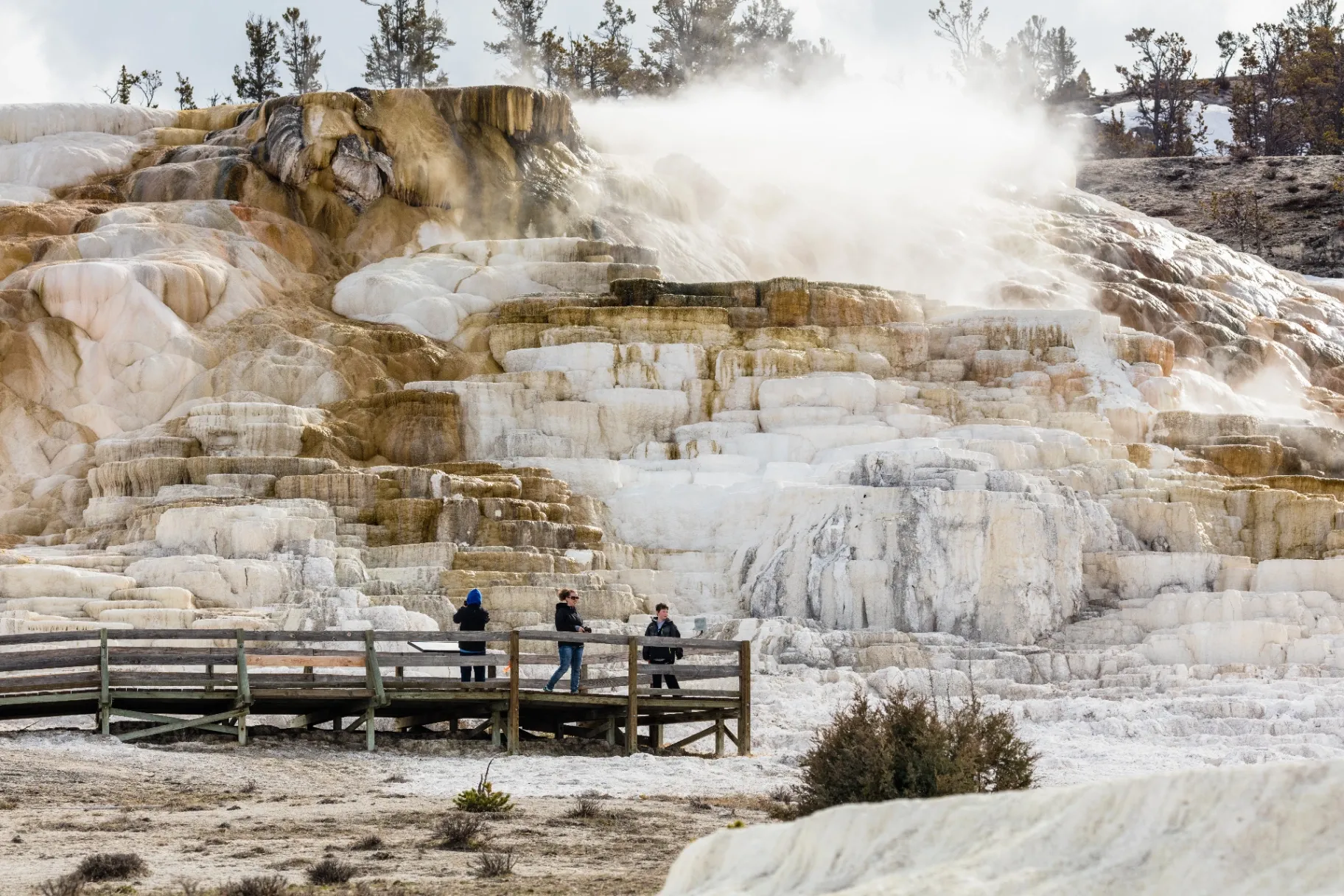
A series of boardwalks wind through the dramatic travertine terraces at Mammoth. The Lower Terraces are the most accessible; the Upper Terrace loop adds gentle elevation and panoramic views. The terraces are constantly changing — entire sections can appear or disappear in months.
- Open year-round (Mammoth is accessible by car in winter too)
- Combine upper and lower for the full experience
- Best light: late afternoon when terraces glow gold
- Elk frequently graze on the lawns nearby — keep your distance
South Rim Trail to Artist Point
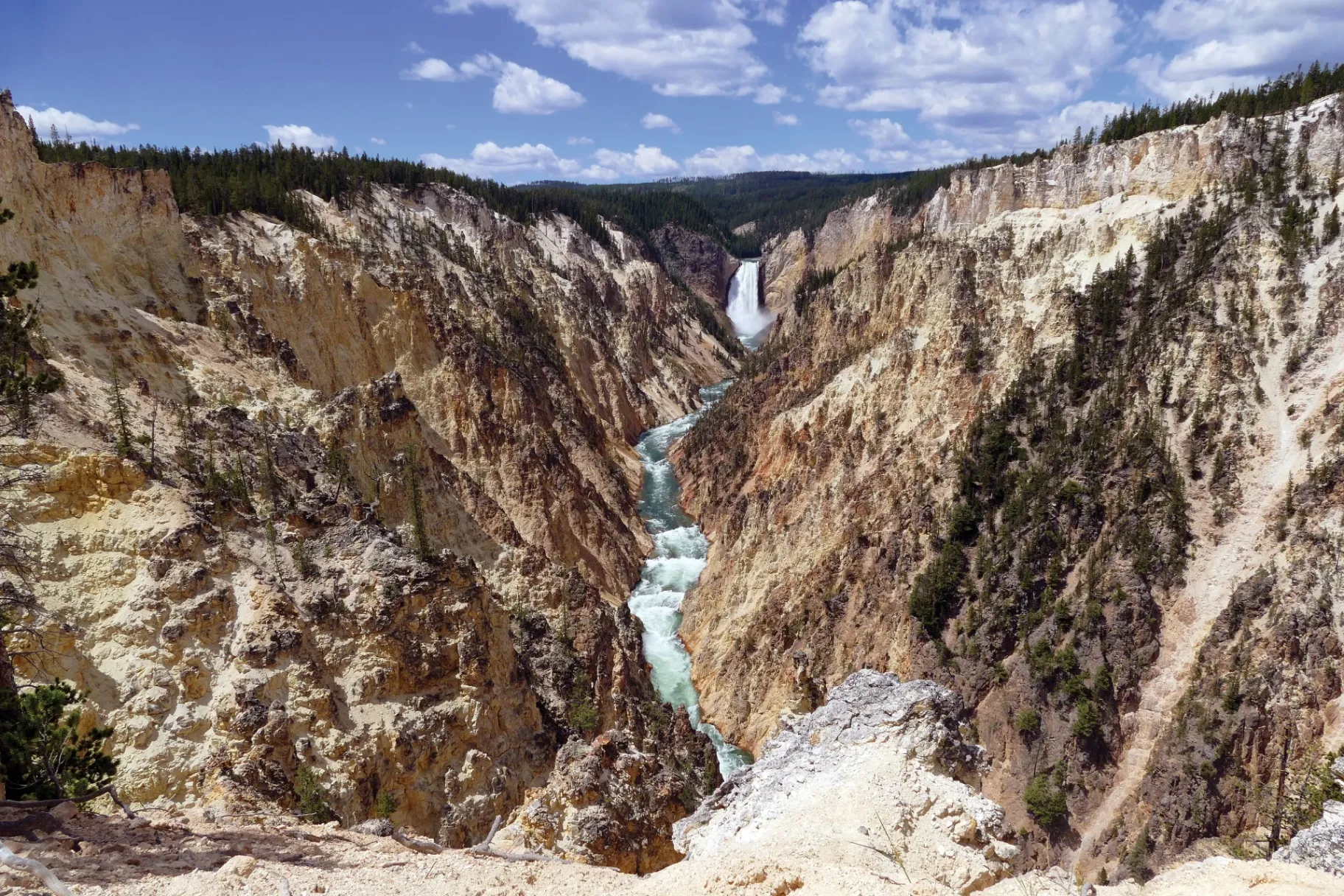
This short walk along the south rim of the Grand Canyon of the Yellowstone delivers the park's most iconic viewpoint — Artist Point. The 308-foot Lower Falls thunders into the yellow-and-orange canyon below. It's one of the most photographed spots in all of America's national parks.
- Paved trail suitable for most visitors
- Multiple overlooks along the way — each offers a different perspective
- Best early morning for photography (east-facing light)
- Combine with Uncle Tom's Trail for a more adventurous extension
Moderate Hikes — A Little More Effort, Big Rewards
Fairy Falls & Grand Prismatic Overlook
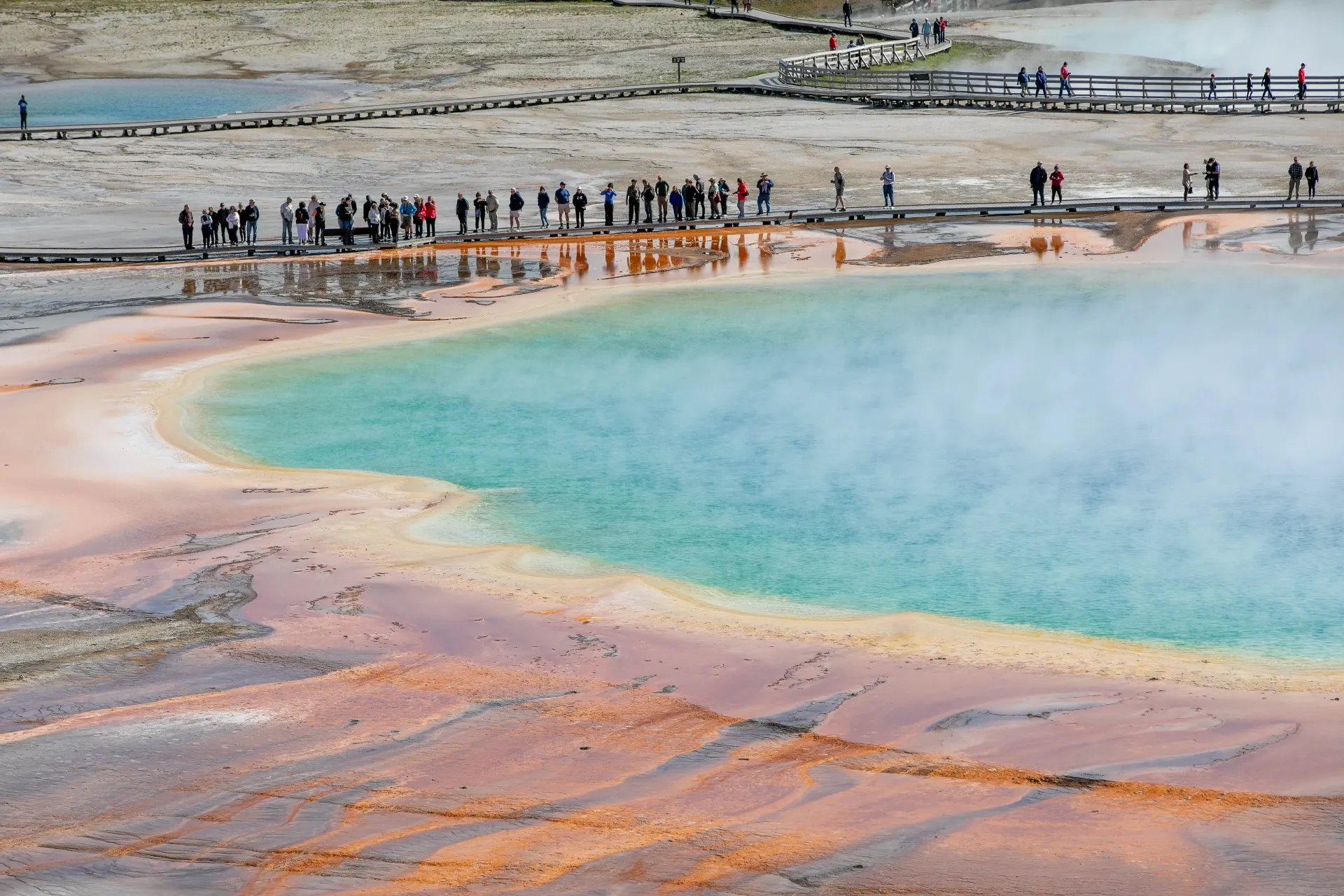
This trail delivers two of Yellowstone's most spectacular sights in a single hike. The Grand Prismatic Overlook (0.5 miles in) gives you the famous aerial view of the largest hot spring in North America, then the trail continues through lodgepole forest to 200-foot Fairy Falls.
- The overlook is the only way to see Grand Prismatic from above without a drone
- Fairy Falls is a thin ribbon of water — most impressive in spring/early summer
- Trail is flat except for the short climb to the overlook
- Start early — the overlook can get congested by mid-morning
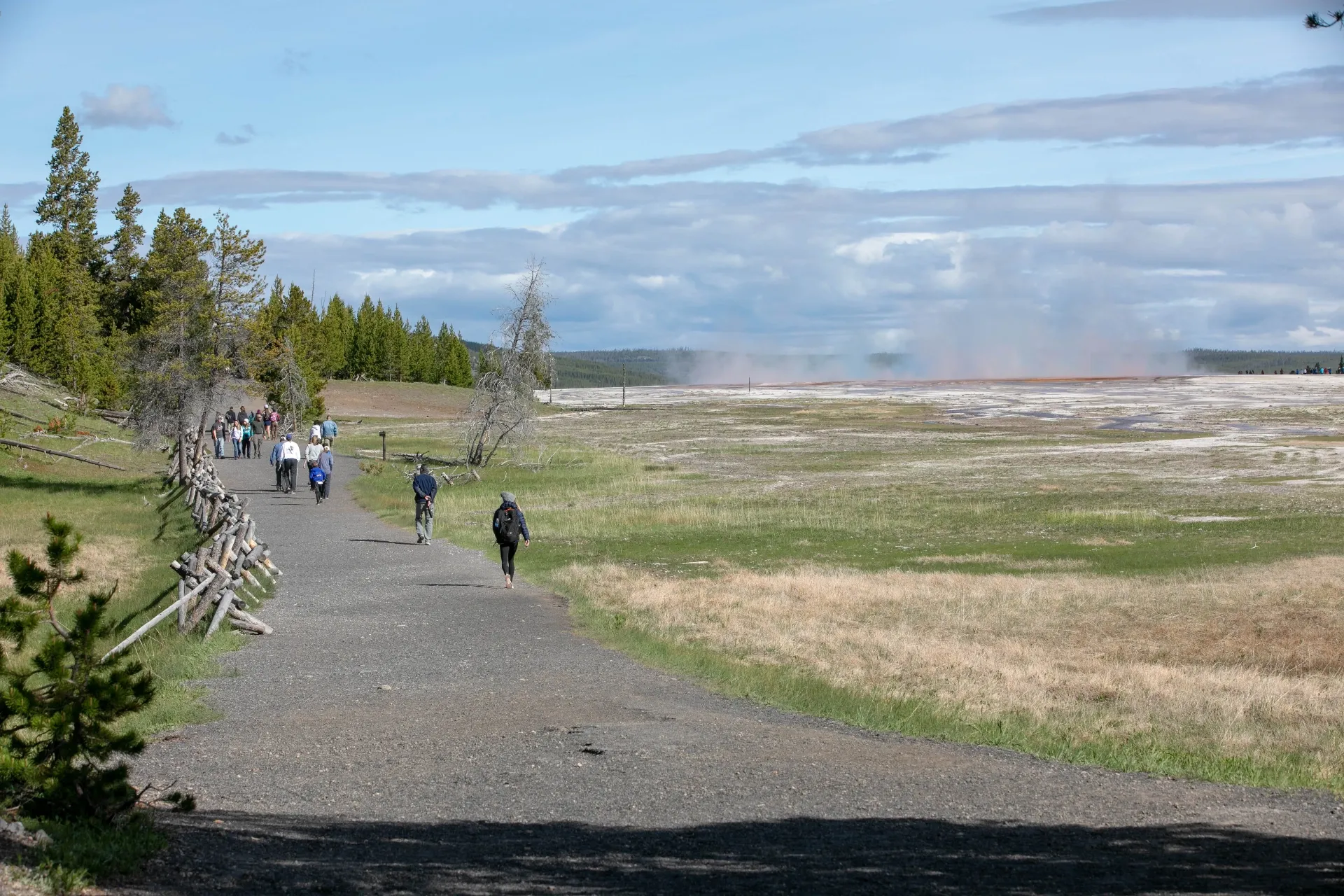
Brink of the Lower Falls
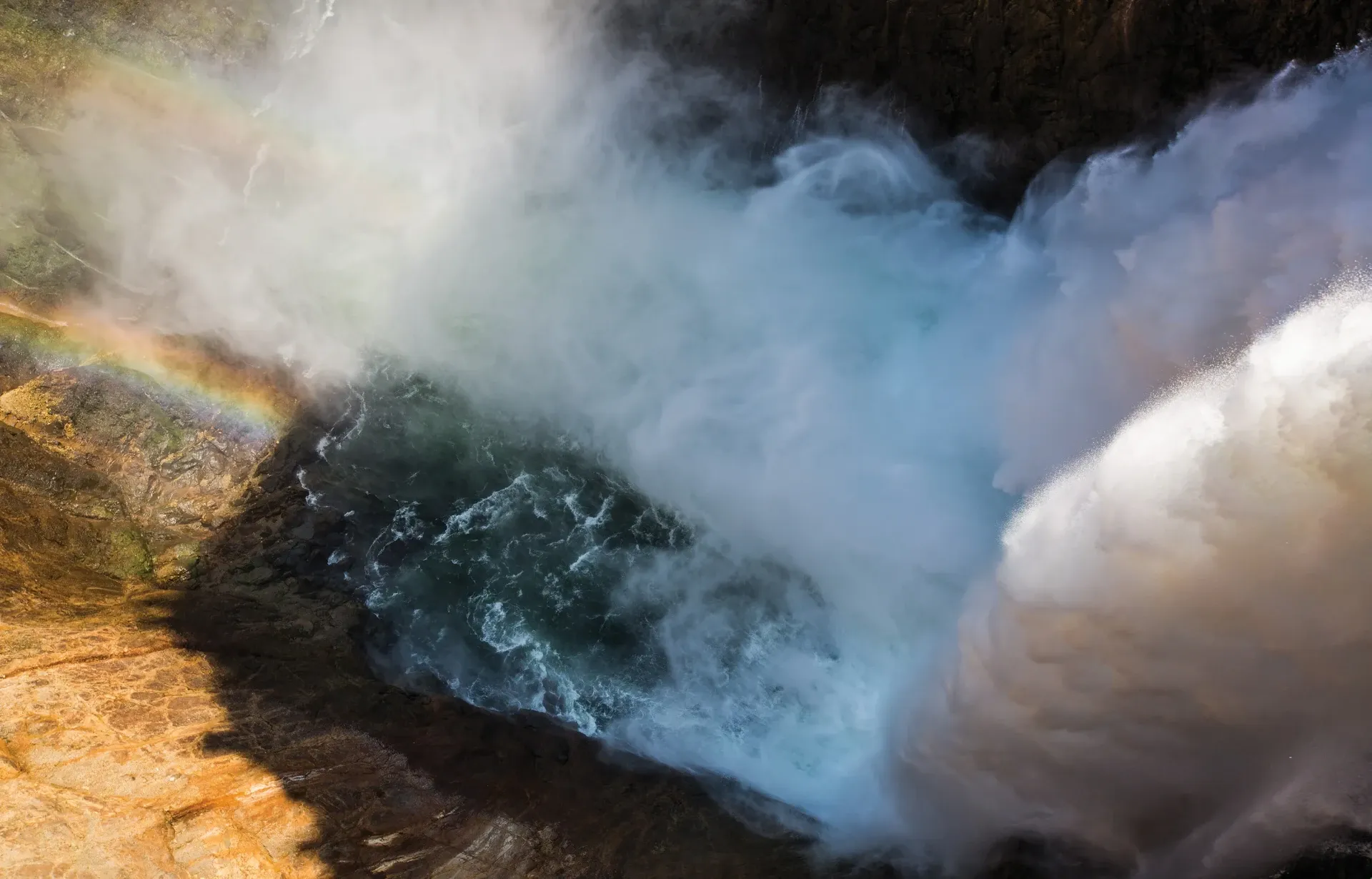
Short but steep — 600 vertical feet down switchbacks to the brink of the 308-foot Lower Falls. You'll feel the ground shake, hear the roar, and possibly get drenched in mist. It's the most visceral waterfall experience in Yellowstone.
- The climb back up is the real workout — take it slow
- Rainbow sightings common in morning mist
- Combine with North Rim Trail for Uncle Tom's Trail loop
- Trail closes when icy — typically open late May through October
North Rim Trail & Lookout Point
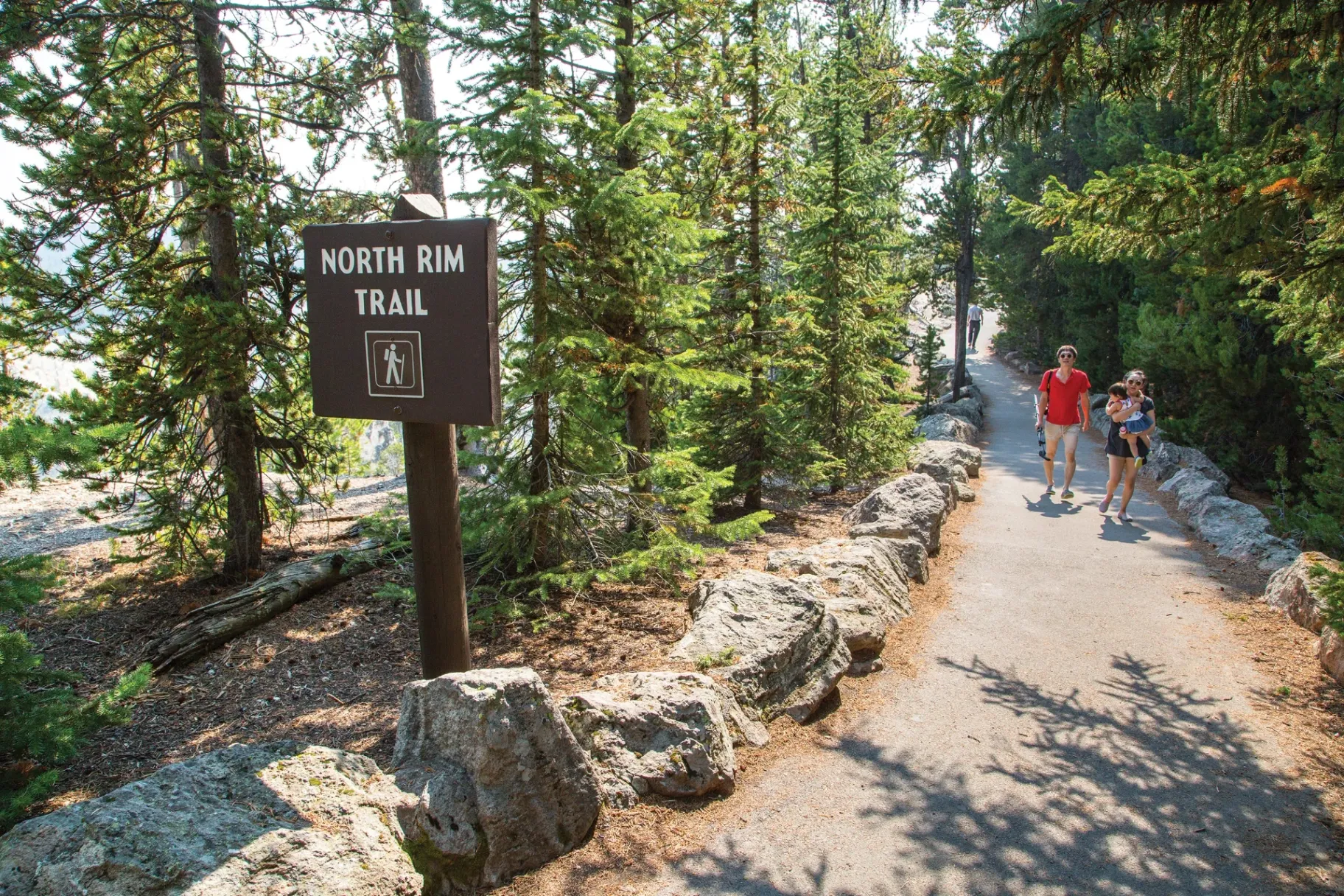
The north side of the Grand Canyon of the Yellowstone offers different perspectives and fewer crowds than the south rim. Lookout Point gives a head-on view of the Lower Falls, and the trail continues past Grandview and Inspiration Points for sweeping canyon vistas.
- Less crowded than South Rim trails
- Combine multiple overlooks for a full morning hike
- Red Rock Point spur trail adds a steep descent to river level
- Bears are occasionally spotted on the canyon walls — bring binoculars
Lamar Valley to Specimen Ridge
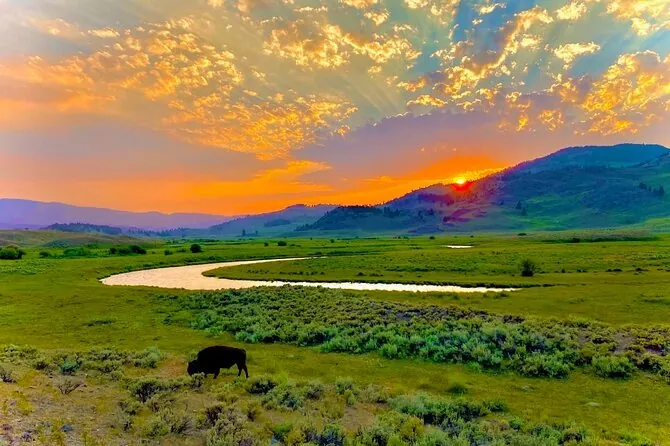
Start in Yellowstone's wildlife-richest valley and climb toward Specimen Ridge for panoramic views. This is wolf and bison country — you may spot wildlife from the trail. The ridge holds one of the world's largest petrified forests, though specimens are protected (no collecting).
- Best in early morning for wildlife sightings
- Bring bear spray — this is prime grizzly habitat
- No marked trail at the top — navigate by terrain above treeline
- Fall is magical here with golden aspens and bugling elk
Challenging Hikes — For Strong Hikers
Cascade Canyon (Grand Teton)
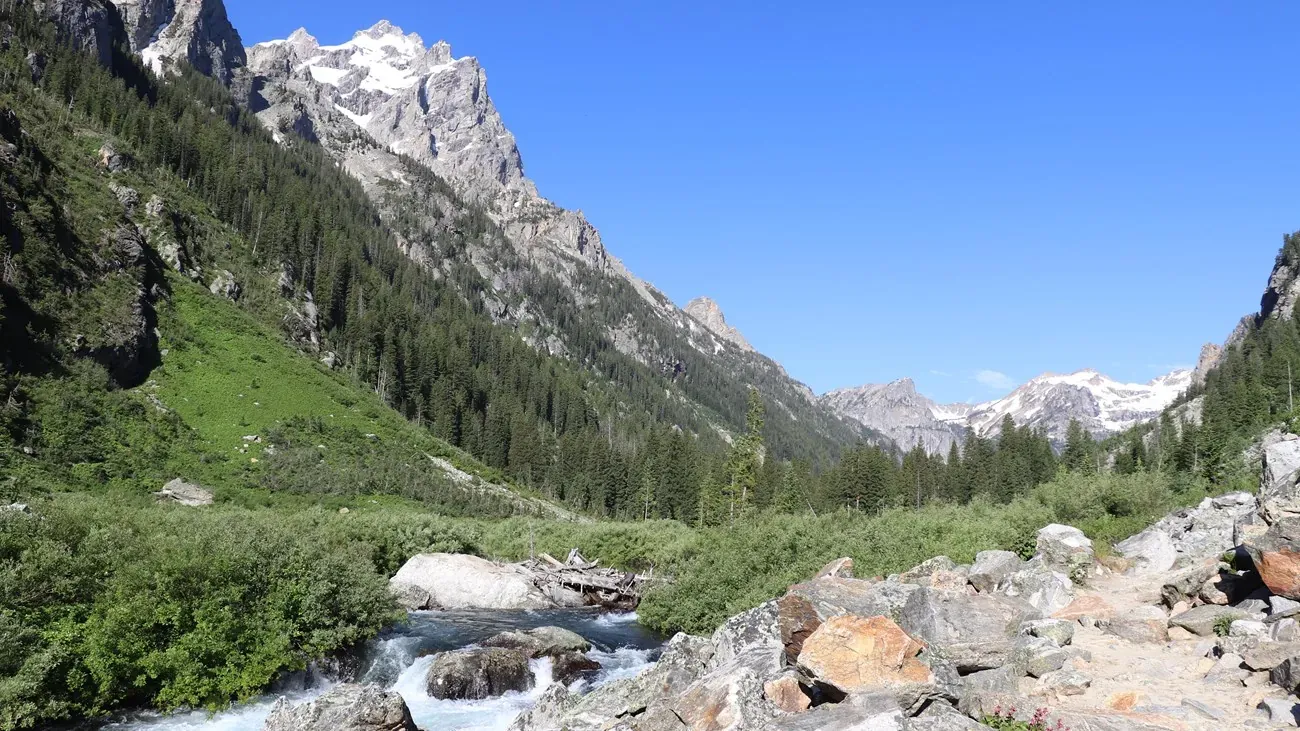
Technically in Grand Teton National Park (2.5 hours south), this hike is worth the drive. Take the Jenny Lake boat shuttle to cut 2 miles, then hike through a glacially carved canyon surrounded by towering peaks. Wildflowers explode in July, and moose are common along the creek.
- Take the Jenny Lake boat ($18/adult) to save 4 miles round-trip
- Hidden Falls is a quick 0.5-mile spur near the west dock
- The Forks is a good turnaround point — 4.5 miles from the west dock
- Continue to Lake Solitude for 14.2 miles total (very strenuous)
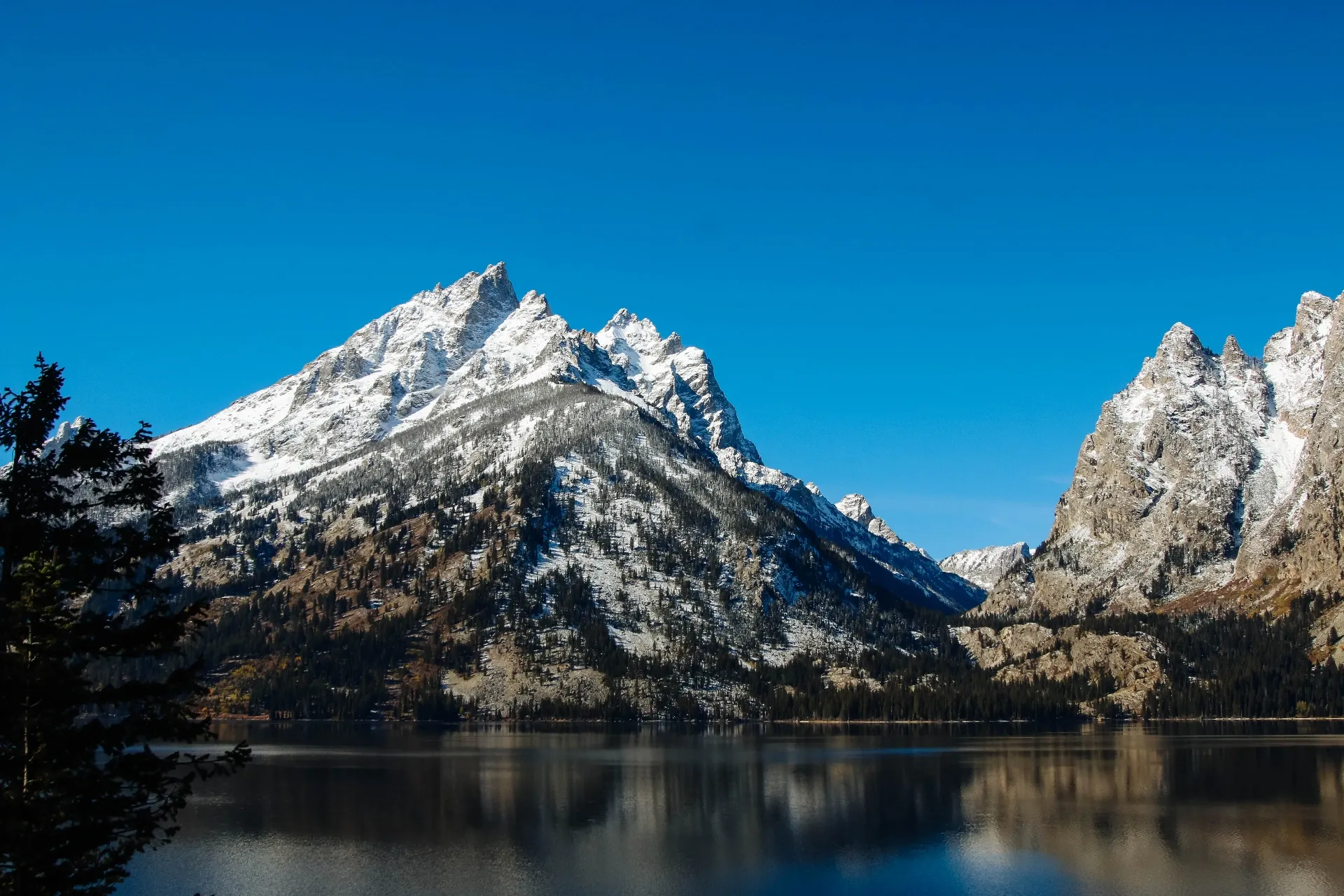
Heart Lake Trail
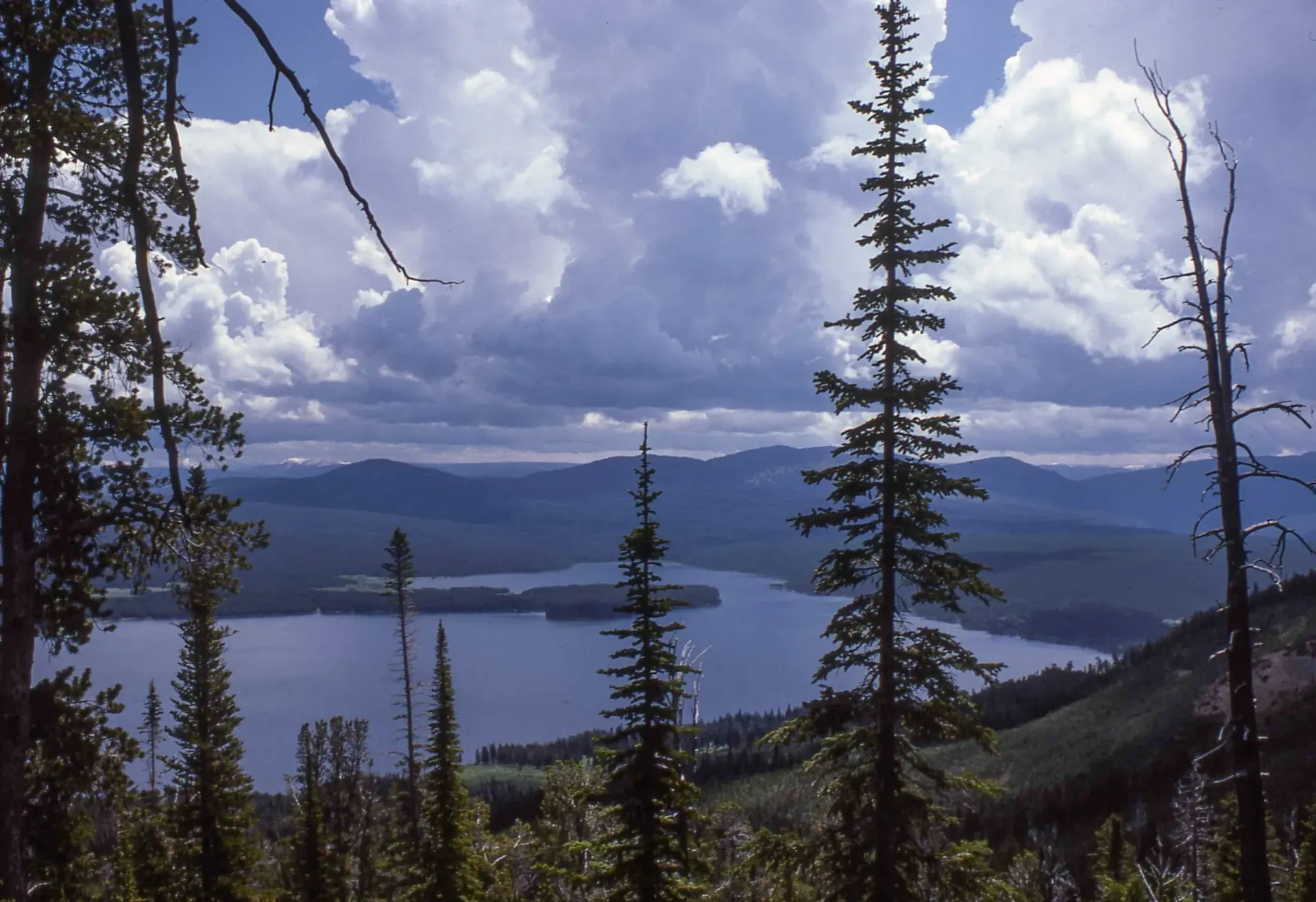
A long but relatively flat day hike to one of Yellowstone's most remote and beautiful lakes. Heart Lake sits at the base of Mount Sheridan with a thermal area on its western shore. Strong hikers can do this as a very long day; most prefer an overnight backcountry camp.
- Trailhead is on the South Entrance Road near Lewis Lake
- Thermal features on the lake's west shore — approach with caution
- Mount Sheridan summit adds 5.6 miles and 2,700 ft of gain
- Backcountry permit required for overnight — reserve early
Specimen Ridge Traverse
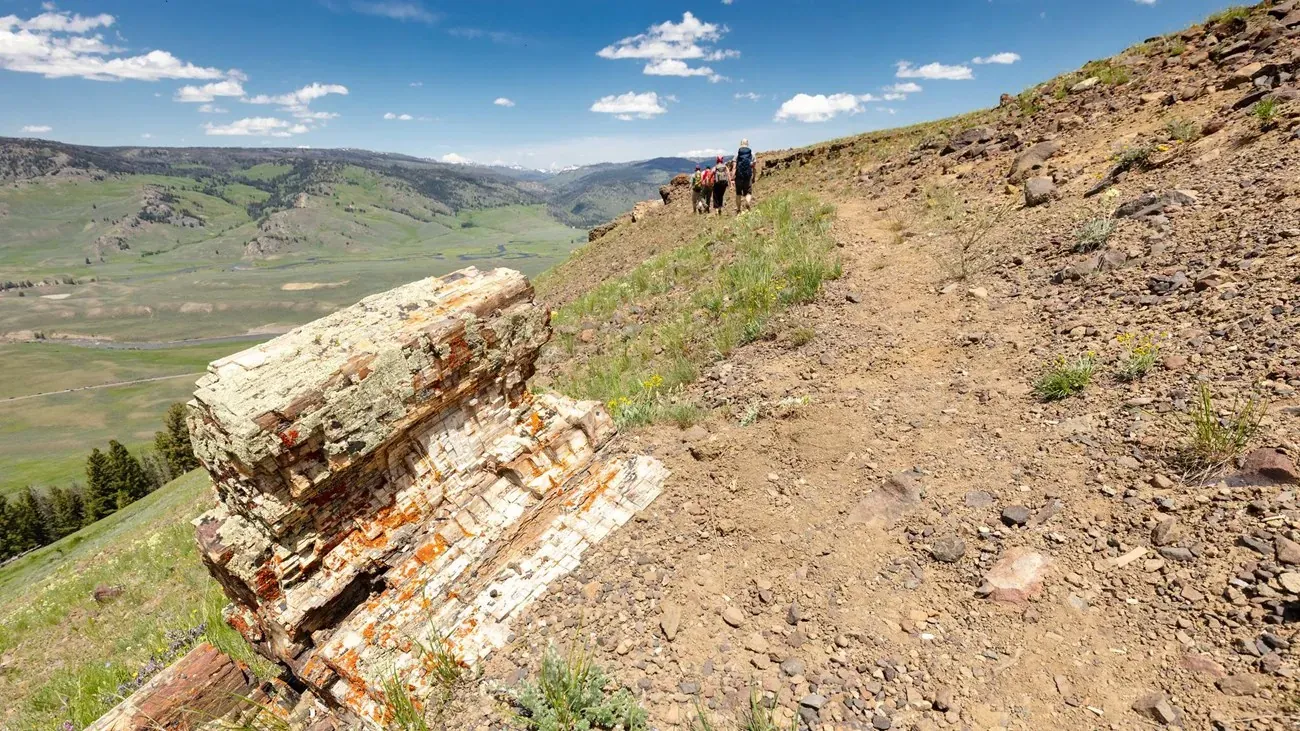
The ultimate Yellowstone day hike for experienced, fit hikers. This unmarked route traverses the petrified forest ridgeline with 360° views of Lamar Valley, the Absaroka Range, and the Yellowstone backcountry. Navigation skills and early starts are essential.
- No maintained trail for most of the route — GPS/map skills required
- Start before dawn; allocate 10–12 hours
- Carry bear spray, extra water, and layers — weather can change fast
- Car shuttle needed (leave a vehicle at each end)
- Arguably the most rewarding day hike in the Greater Yellowstone Ecosystem
At-a-Glance Comparison
| # | Trail | Distance | Difficulty | Area |
|---|---|---|---|---|
| 1 | Upper Geyser Basin Loop | 3 mi | Easy | Old Faithful |
| 2 | Mammoth Terraces | 1.75 mi | Easy | Mammoth |
| 3 | South Rim to Artist Point | 1.3 mi | Easy | Canyon |
| 4 | Fairy Falls & Prismatic Overlook | 5.4 mi | Moderate | Midway |
| 5 | Brink of Lower Falls | 0.8 mi | Moderate | Canyon |
| 6 | North Rim Trail | 4 mi | Moderate | Canyon |
| 7 | Lamar to Specimen Ridge | 4 mi | Moderate | Lamar |
| 8 | Cascade Canyon (Teton) | 9.1 mi | Strenuous | Grand Teton |
| 9 | Heart Lake | 15 mi | Strenuous | South YNP |
| 10 | Specimen Ridge Traverse | 18 mi | Strenuous | Lamar |
Hiking Safety in Yellowstone
🐻 Bear Safety
Carry bear spray and know how to use it. Make noise on the trail. Store food in bear-proof containers. Stay 100 yards from bears and wolves, 25 yards from bison and elk.
♨️ Thermal Safety
Stay on boardwalks and marked trails in thermal areas. Ground can be thin and water temperatures exceed 200°F. Never touch or enter thermal features.
- Tell someone your hiking plan and expected return time
- Carry at least 2 liters of water per person — more on hot days
- Weather can change rapidly — bring rain gear and warm layers even in summer
- Start early to avoid afternoon thunderstorms, especially at higher elevations
- Cell service is unreliable in most of the park — download offline maps
What to Pack for Yellowstone Day Hikes
- Bear spray (rent or buy in West Yellowstone or Canyon Village)
- Sturdy hiking shoes or boots — trails can be rocky and muddy
- Layers: moisture-wicking base, insulating mid, waterproof shell
- Sun protection: hat, sunglasses, SPF 30+ sunscreen
- 2+ liters of water and trail snacks
- Trekking poles for steep hikes (Brink of Falls, Cascade Canyon, Specimen Ridge)
- Binoculars for wildlife viewing
- Offline map (AllTrails, Gaia GPS, or NPS app)
Where to Stay
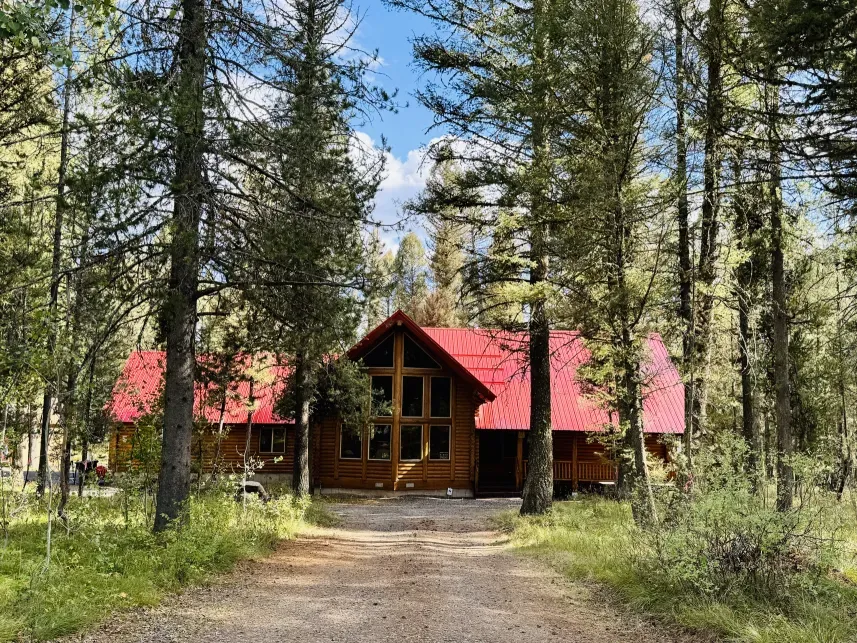
Our cabin in Island Park sits just 45 minutes from Yellowstone's West Entrance — perfectly positioned for early-morning starts. Sleep up to 12 guests, enjoy the hot tub after a long day on the trails, and save up to 10% by booking directly.
Hiking FAQ
Do you need a permit to day hike in Yellowstone?
No — day hiking is free with a valid park entrance pass ($35/vehicle, good for 7 days). Only overnight backcountry camping requires a permit.
When is the best time to hike in Yellowstone?
Mid-June through September offers the best conditions. Many trails at elevation remain snow-covered until late June. Fall (September–October) has fewer crowds and stunning foliage.
Are Yellowstone trails safe?
Yes, with basic precautions: carry bear spray, stay on boardwalks in thermal areas, bring water, and check weather forecasts. Wildlife encounters are possible on any trail.
Can kids do these hikes?
Hikes 1–3 are perfect for all ages. Hikes 4–6 work for active older children. Hikes 7–10 are best for teens and adults with hiking experience.
How do I avoid crowds on popular trails?
Start before 8 AM, visit mid-week, or come in September–October. Early mornings also offer better wildlife sightings and photography light.