Yellowstone Gets 4.9 Million Visitors a Year — Here's How to Avoid Them
Yellowstone National Park welcomes nearly 5 million visitors annually, with over 80% arriving between June and September. During peak summer weeks, parking lots fill by 9 AM, boardwalks are shoulder-to-shoulder, and wildlife jams can stop traffic for hours.
But here's what most visitors don't realize: the park is 3,471 square miles, and the overwhelming majority of people cluster around the same 5–6 locations during the same 4–5 hour window. With a few strategic adjustments, you can experience Yellowstone in near-solitude — even in July.
These strategies come from years of living 30 minutes from the West Entrance and guiding guests through the park.
Time of Day: The Single Biggest Factor
Timing is more important than which month you visit. The crowd pattern in Yellowstone is remarkably predictable:
| Time | Crowd Level | What to Expect |
|---|---|---|
| 6–8 AM | Very Low | Empty boardwalks, wildlife active, golden light |
| 8–10 AM | Low–Moderate | Building gradually, parking still available |
| 10 AM–3 PM | Peak | Full parking lots, boardwalk congestion, traffic jams |
| 3–5 PM | Moderate | Crowds thinning, some lots reopening |
| 5–8 PM | Low | Golden hour, wildlife reemerging, peaceful |
Enter Before 8 AM
The single most effective crowd-avoidance strategy. At 7 AM, you'll have boardwalks nearly to yourself at Grand Prismatic, Old Faithful, and Mammoth. This is also prime wildlife viewing time.
Return for the Golden Hour
Between 5–8 PM, most day-trippers have left. Evening light on the geysers and hot springs is spectacular, and wildlife becomes active again. Old Faithful at sunset with 20 people instead of 2,000 is a completely different experience.
Use the Midday Lull Wisely
From 10 AM–3 PM, avoid the major attractions. Instead, take a backcountry hike, have a long lunch at a picnic area, or explore less-visited areas like the Norris Back Basin or Fountain Paint Pots.
Best Shoulder Seasons for Fewer Crowds
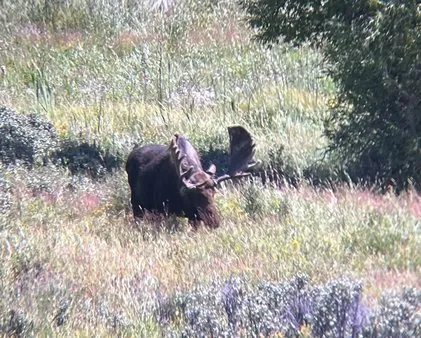
Visit in September
September is the sweet spot — warm days, fall colors starting, elk rut in full swing, most roads still open, and visitor numbers drop 40–50% from July peaks. It's arguably the best month to visit Yellowstone.
May Before Memorial Day
Roads begin reopening in late April. By mid-May, most roads are open but summer crowds haven't arrived. Baby animals are everywhere, waterfalls are at peak flow, and the landscape is vividly green.
October — The Hidden Gem
October is one of the most underrated months. Elk rut continues, bears are actively feeding before hibernation, fall colors peak, and some days you'll encounter more bison than people. Some facilities close, so plan accordingly. Read our October guide →
Entrance Timing & Strategy
West Entrance: Arrive Early
The West Entrance is the busiest, but that's because it offers the best access to the top attractions. The key is timing: at 7 AM there's no line. By 10 AM there can be a 30–45 minute wait. If staying in Island Park, you're only 30 minutes from the gate — easy to be first in line.
Consider a Multi-Entrance Strategy
Enter through the West Entrance early, explore the geyser basins, then drive the Grand Loop and exit through the North Entrance at Gardiner. You'll see more of the park and avoid doubling back through afternoon traffic.
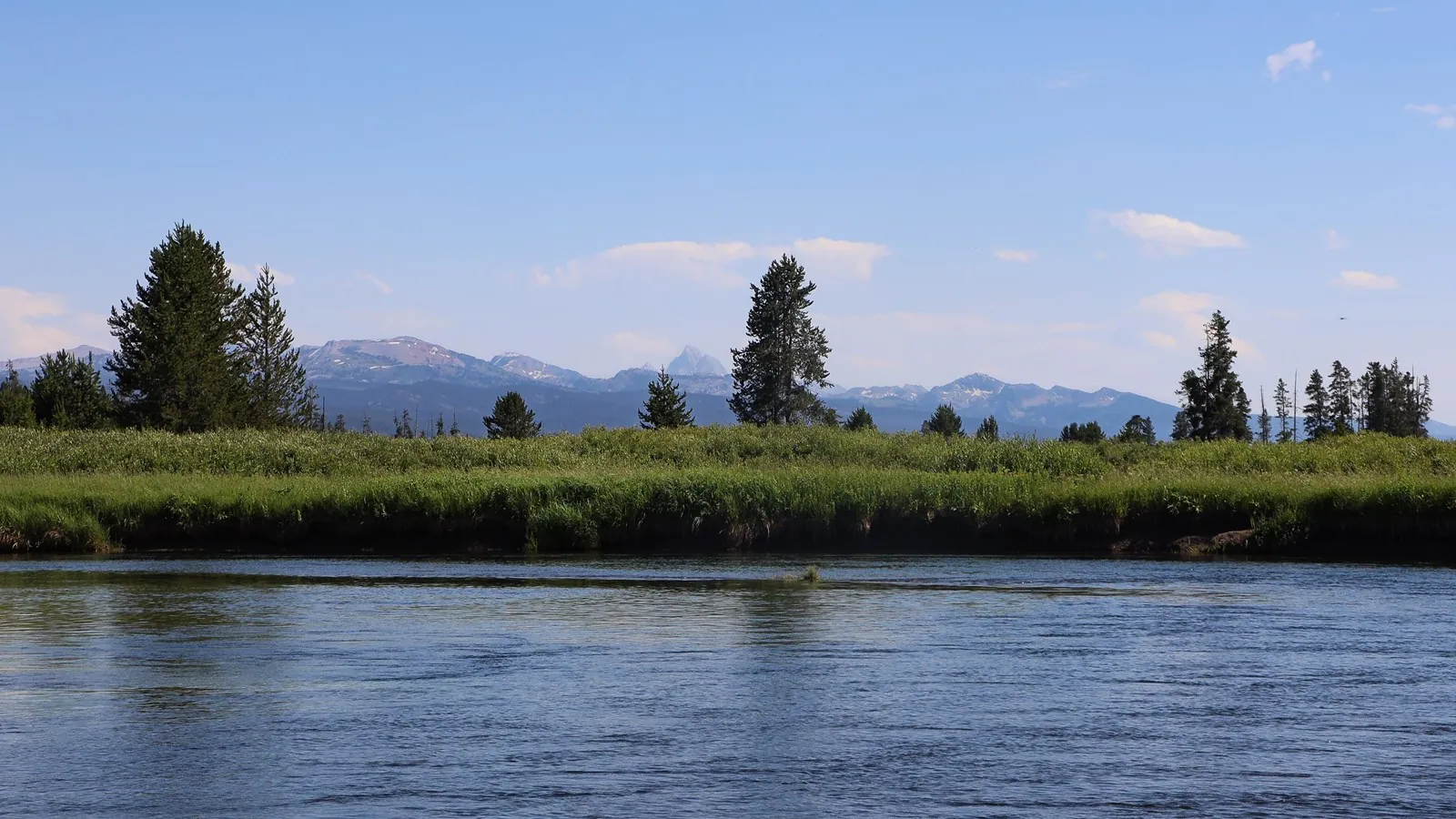
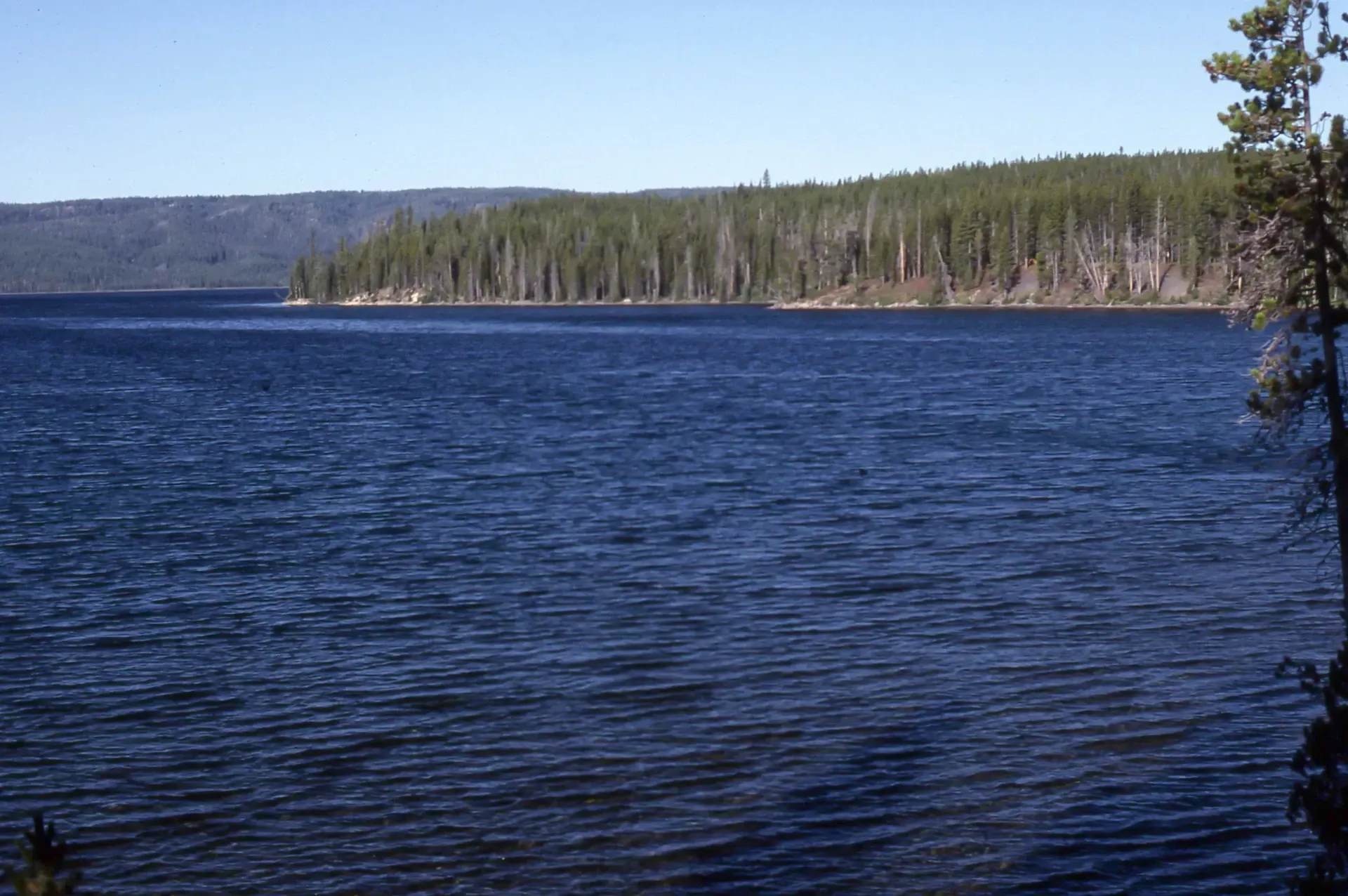
Parking Strategies
Know the Parking Crunch Points
The tightest parking lots: Old Faithful (fills by 10 AM in July), Grand Prismatic Fairy Falls lot, Canyon Village, and Norris Geyser Basin. Arrive before 9 AM or after 4 PM, or consider the park's free shuttle when running.
Pack Snacks and Skip the Lines
Restaurant lines at Canyon Lodge, Old Faithful Inn, and Lake Hotel can exceed 45 minutes during peak hours. Pack coolers with sandwiches, fruit, and drinks. You'll save time, money, and eat at scenic picnic areas instead of crowded cafeterias.
Wildlife Viewing Without the Jams
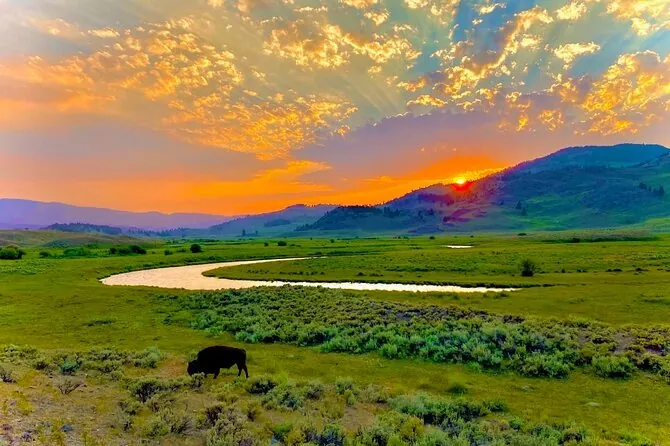
Wildlife jams — where cars stop for bison, bears, or elk on the road — are a defining Yellowstone experience. But they can waste hours of your day if you're stuck in the wrong place at the wrong time.
Timing Tips for Wildlife
- Dawn (6–8 AM) and dusk (6–8 PM) are peak wildlife activity times
- Lamar Valley is best at dawn — arrive by 6:30 AM for wolves
- Hayden Valley bison crossings are most common at midday — expect delays
- Bring binoculars to scan from pullouts rather than stopping on the road
- Let traffic jams come to you — don't chase them through the park
The Island Park Advantage
Staying in Island Park puts you 30 minutes from the West Entrance gate. That means you can be at Old Faithful by 7:30 AM, enjoy 3 uncrowded hours, return to the cabin for lunch, and go back for evening wildlife at 5 PM. That midday break is a game-changer. Check availability →
Sample Low-Crowd Day Plan
This split-day approach gives you the best of Yellowstone without the worst of the crowds. It only works when you're staying close enough to re-enter — which is why proximity to the West Entrance matters.
Frequently Asked Questions
What is the least crowded time to visit Yellowstone?
Late September through mid-October offers the best combination of open roads, fall colors, active wildlife, and dramatically fewer visitors. May before Memorial Day is also excellent.
What time should I enter Yellowstone to avoid crowds?
Enter before 8 AM or after 4 PM. Peak congestion is 10 AM–3 PM at all major attractions.
Are weekdays less crowded than weekends?
Slightly, but the difference is smaller than you'd expect. Timing within the day matters far more than day of week. An early Tuesday and early Saturday are roughly equivalent.